Research Compliance Officer Dinah Wechuli takes us through what researchers should think about before their fieldwork begins.
A research project at Mpala might begin with a question about elephants, soils, disease, rainfall, animal behaviour or a thousand other things. But before the first sample is collected or the first piece of equipment goes into the field, there is another journey to make.
My advice? Start early.
Very early.
Research in Kenya requires different permits depending on what you plan to do, and obtaining the necessary clearances can take months. At Mpala, we advise researchers to begin the process at least six months before they expect to start their work.
This is the point at which I would like to meet you.
I sometimes describe the compliance office as the doctor’s office. Come to us while the project is still being developed, and we can identify the small things that might become big things later. It is much easier to deal with a question in a proposal than discover it after flights are booked, equipment is packed, and your field season is supposed to begin.
So, what happens after you have an idea?
Tell us what you want to do
The first step is understanding your research.
What will you study? What methods will you use? Will you be handling animals? Collecting samples? Will you need laboratory space or specialised field equipment? Will you need access to existing datasets?
Those details matter because research projects do not all follow the same path.
One thing researchers should also remember when budgeting is that permits apply to individual researchers. A principal investigator’s permit does not automatically cover the students working under them.
Getting this clear helps us work out what needs to happen before you arrive.
If animals are involved, tell us early
If your work involves trapping, handling or sampling animals, the appropriate ethical clearance needs to form part of your permit paperwork. We therefore ask researchers to flag animal work in their proposals early so that Mpala’s veterinary team can also prepare for any on-site support that may be required.
This is one of those areas where the order matters.
Don’t design the entire field programme and then remember the approvals at the end. Tell us what you intend to do while the project is still taking shape.
Getting permission to conduct the research is important, but it isn’t the end of your preparation.
Suppose you are collecting samples. Where will they go when your fieldwork ends?
Waste needs similar forethought.
These may sound like things to worry about at the end of a project.
They aren’t.
They are questions to answer at the beginning.
Then there is the practical side
Once we know your research can proceed, we also need to know whether Mpala can support the way you intend to do it.
Mpala has four shared research facilities: the Molecular Genomics Lab, Wet Lab, Dry Lab/Computational facility and Field Equipment Centre. Together, they support work ranging from PCR and sequencing to sample preparation, GIS and modelling, camera trapping, and the use of GPS collars, acoustic recorders, and soil and seismic equipment.
But shared is the important word.
Before assuming a laboratory or piece of equipment will be available, check with the Research Team to confirm that your methods can be accommodated, and reserve what you need well in advance.
The same principle applies to data.
Mpala has existing weather and GIS datasets, project data and other research resources. If you need them, request them in advance. Access to some project data may depend on the principal investigator and the publication status of the work, and datasets should be cited by DOI where applicable.
Again, the recurring theme is simple: ask early.
And then, finally, you get to do the research
By the time you arrive at Mpala, many of these conversations should already have happened.
Your permits and relevant ethical clearances should be in place. We should be aware of any animal work that requires veterinary support. Your laboratory requirements should be understood. Equipment should be reserved. Data requests should have been made. And if you will generate samples or hazardous waste, we should already know what will happen to them.
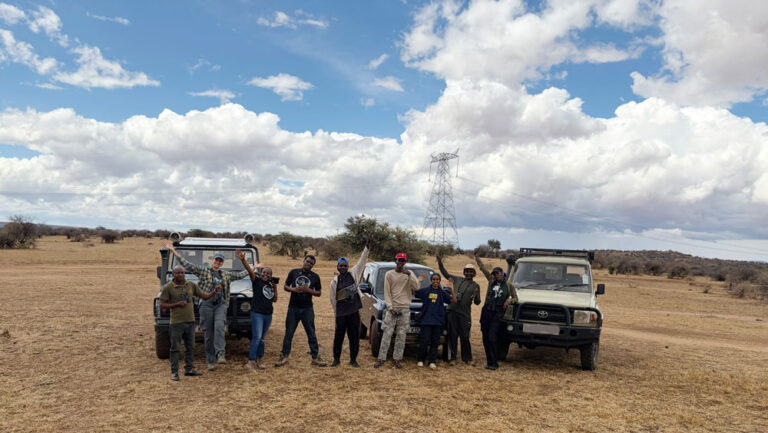
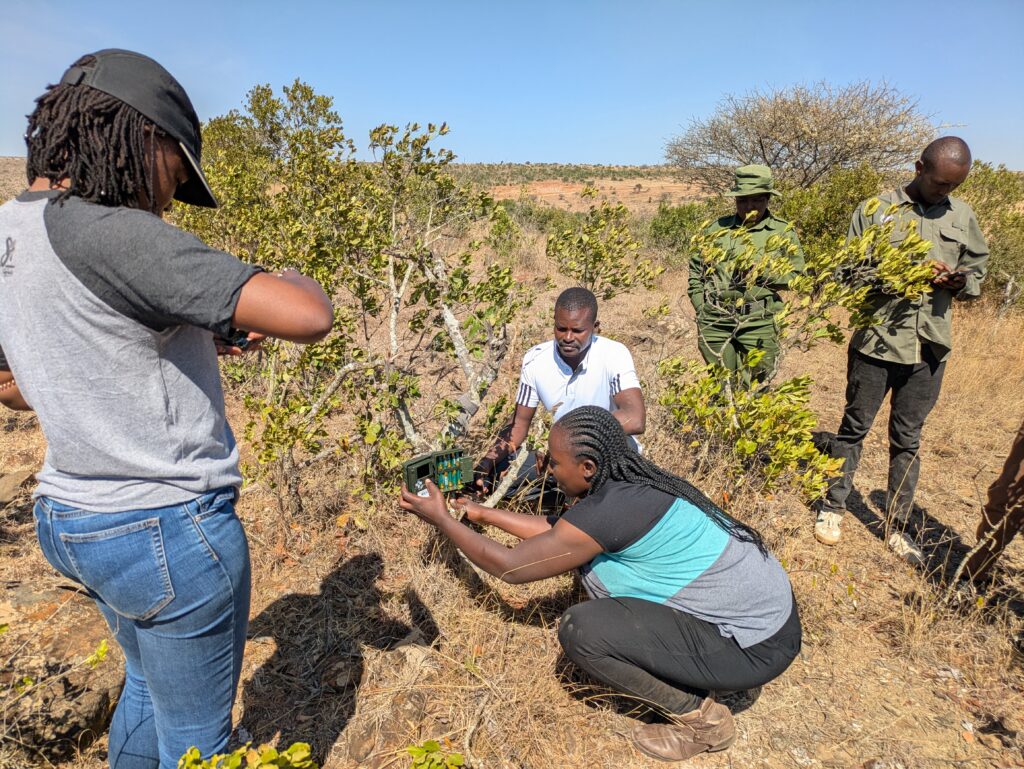
That preparation may not be the part of the research that makes it into the photographs.
But it is what allows the photographs to happen.
And our relationship doesn’t necessarily end when you leave.
When researchers publish work arising from Mpala, we ask them to identify Mpala Research Centre as an affiliation, include Mpala in relevant research keywords and share their reports and research outputs with the Centre.
Research compliance can sometimes sound like a collection of forms, permits and rules.
I prefer to think about it differently.
My job is to understand what you are trying to accomplish and help identify what needs to be in place for you to do it responsibly and successfully.
So if you’re thinking about bringing your next research project to Mpala, don’t wait until everything is ready before speaking to us.
Come while it’s still an idea.
That’s usually the best place to start.