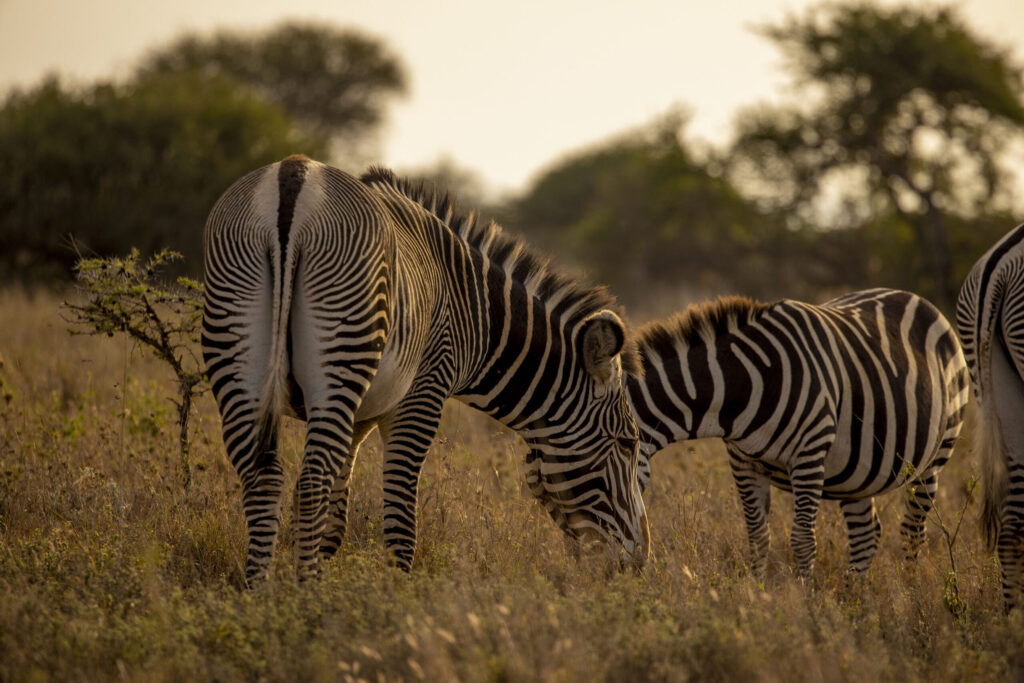
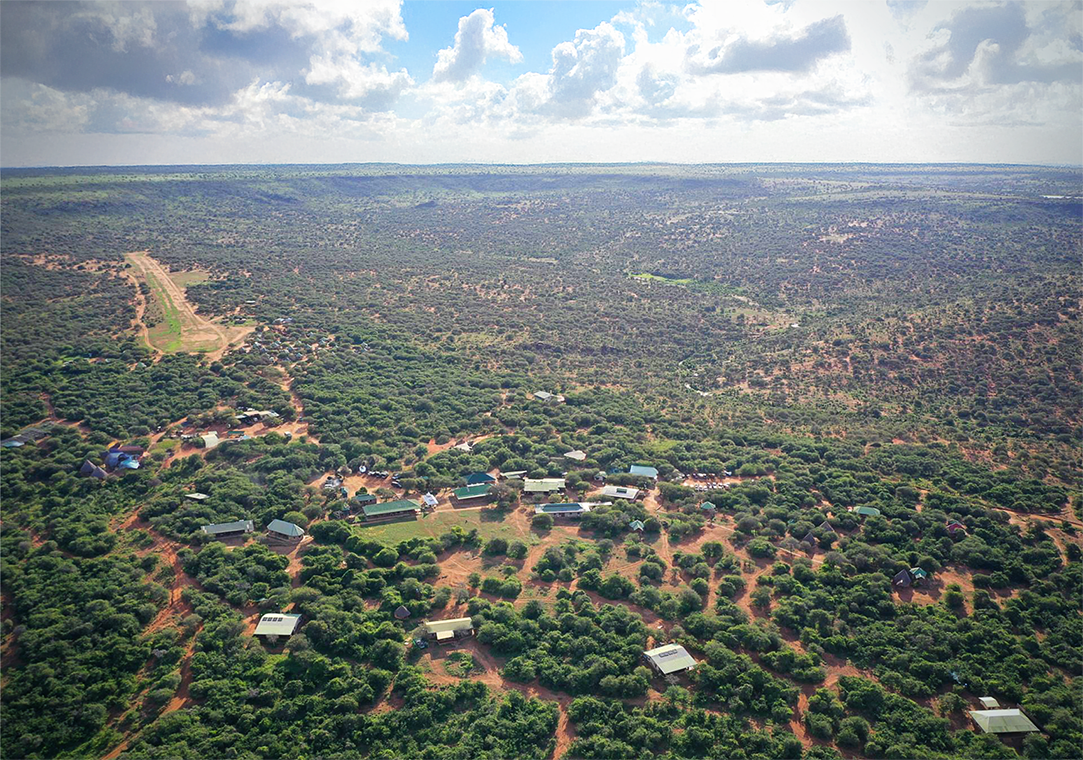
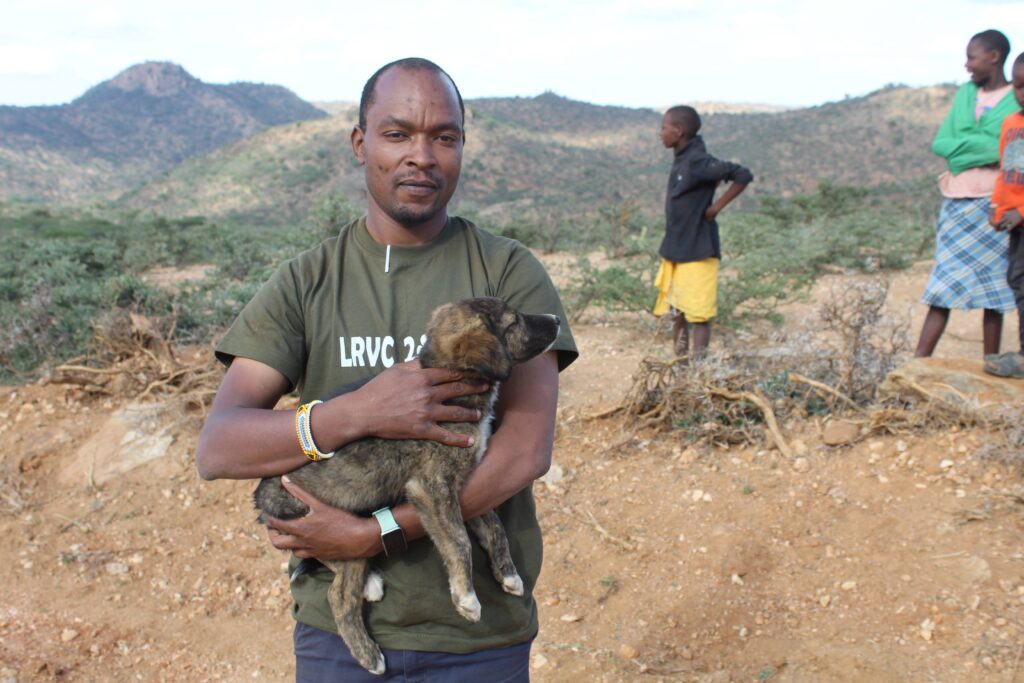
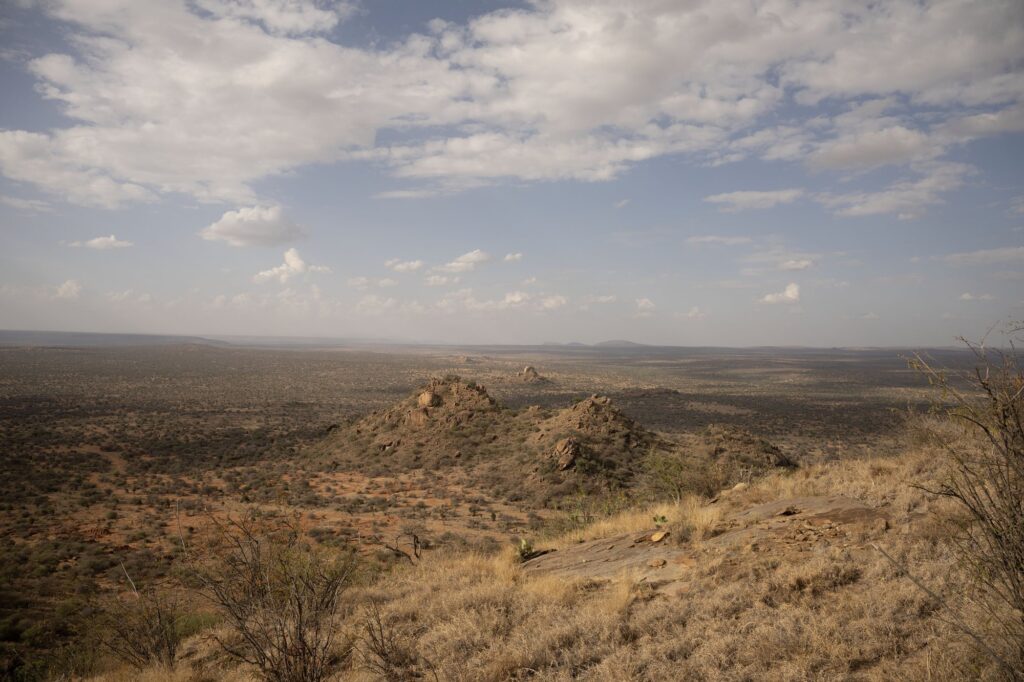
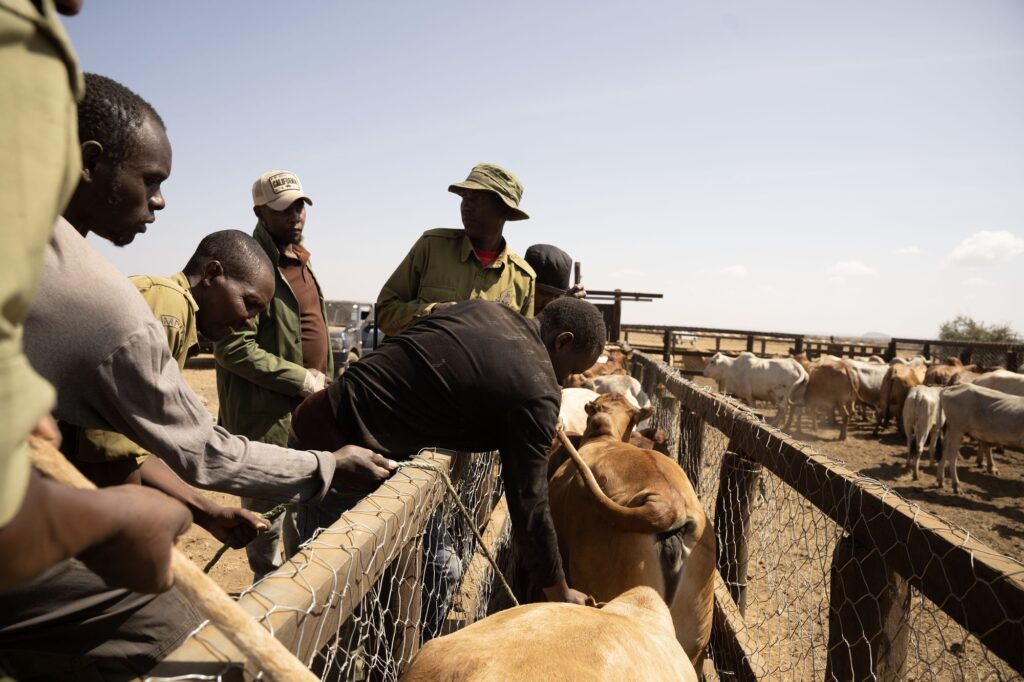
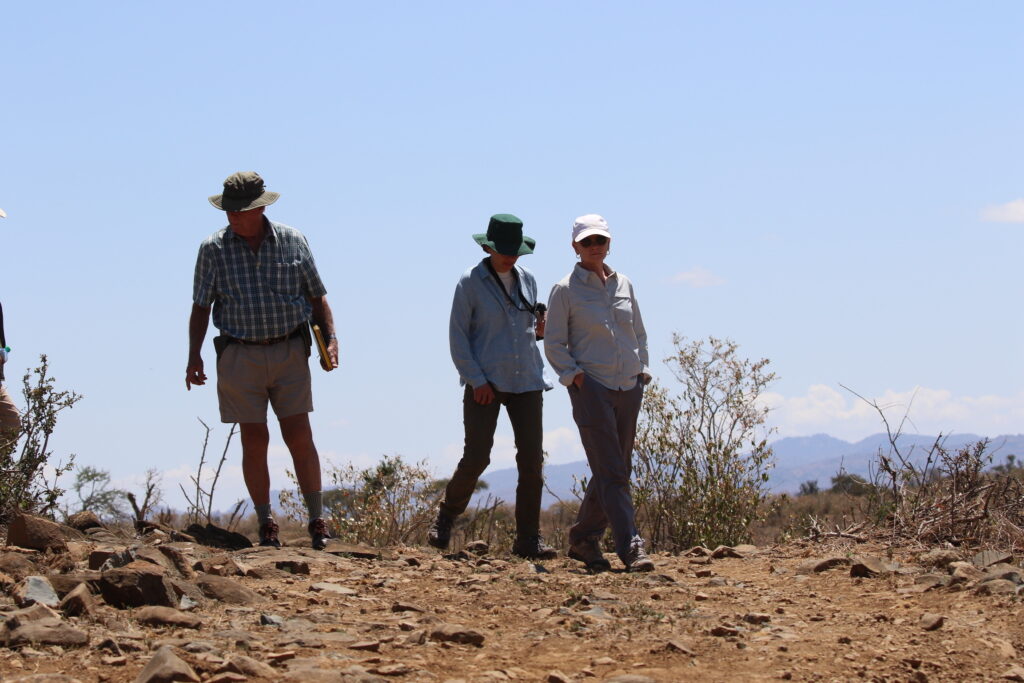
Across 48,000 acres of protected rangeland, Mpala serves as a living laboratory where scientists and students engage in ambitious field-based research and learning across disciplines. The landscape enables long-term ecological studies, manipulative experiments at scale, wildlife collaring and tracking, biological and environmental sample collection, and the monitoring of ecological and social systems over time. Researchers and students representing a broad range of disciplines from ecology and one-health to engineering, archaeology, anthropology, geology, economics, and beyond use Mpala as a platform for discovery, experimentation, and learning
Mpala Solutions for Laikipia Initiative
Science for a Resilient Laikipia
Laikipia faces complex challenges that affect its people, wildlife and ecosystem. The Mpala Solutions for Laikipia Initiative harnesses the power of science, research and collaboration to develop practical solutions for a more resilient future. We will focus on three key challenges facing Laikipia today: invasive species, food insecurity, human, animal, and ecosystem disease threats. Our goal is to test, demonstrate, and scale practical solutions that can make a measurable difference for communities, farmers, livestock, wildlife, and the environment.
Building on Mpala Research Centre’s unique research environment, the initiative connects scientific discovery with real-world challenges, bringing together researchers, Kenyan institutions and partners to generate knowledge that can inform action.
solutions for a resilient laikipia
Science for a Resilient Laikipia
This research will focus on challenges faced by Mpala and our neighboring communities.
Invasive Species: Opuntia Elimination
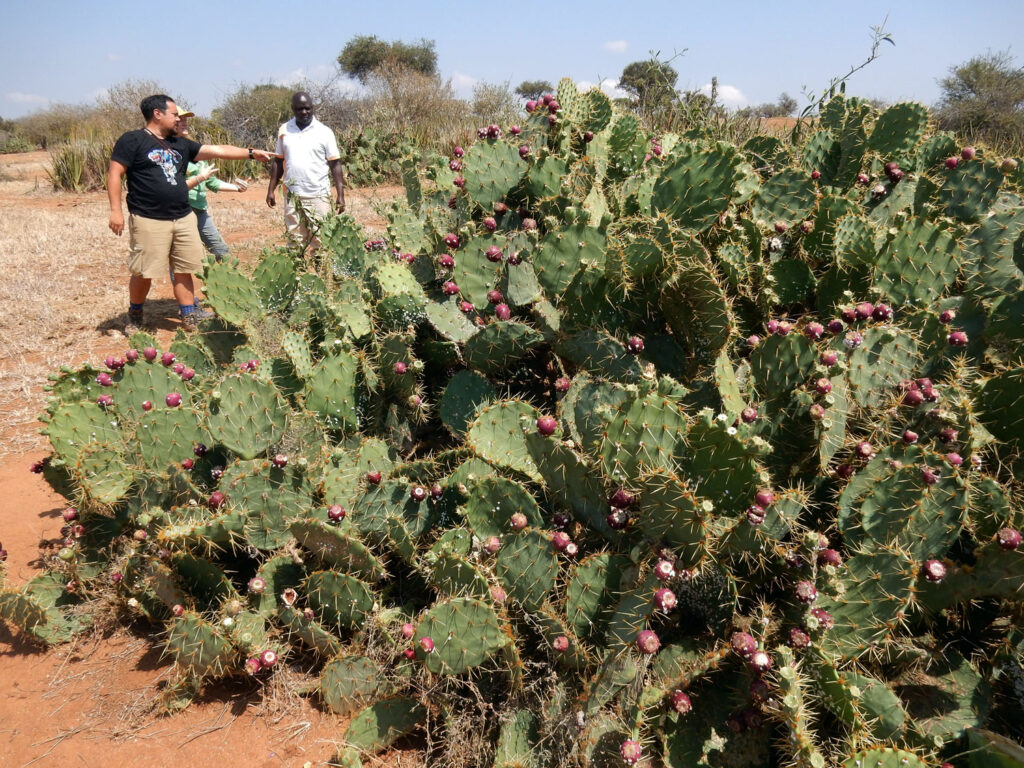
Opuntia cactus has spread across large areas of Laikipia, displacing native vegetation, reducing land available for livestock and wildlife, and threatening the livelihoods of pastoral communities.
Mpala has launched an initiative to tackle this growing biodiversity crisis, beginning with efforts to prevent further spread across its own landscape while testing and evaluating approaches to management. Research will also explore whether Opuntia can be put to productive use, including as an alternative source of livestock feed or a raw material for biogas.
Our ambition: Grow and sustain Mpala’s Opuntia removal initiative, develop evidence-based management approaches and work with communities and partners to identify solutions that can be applied at scale.
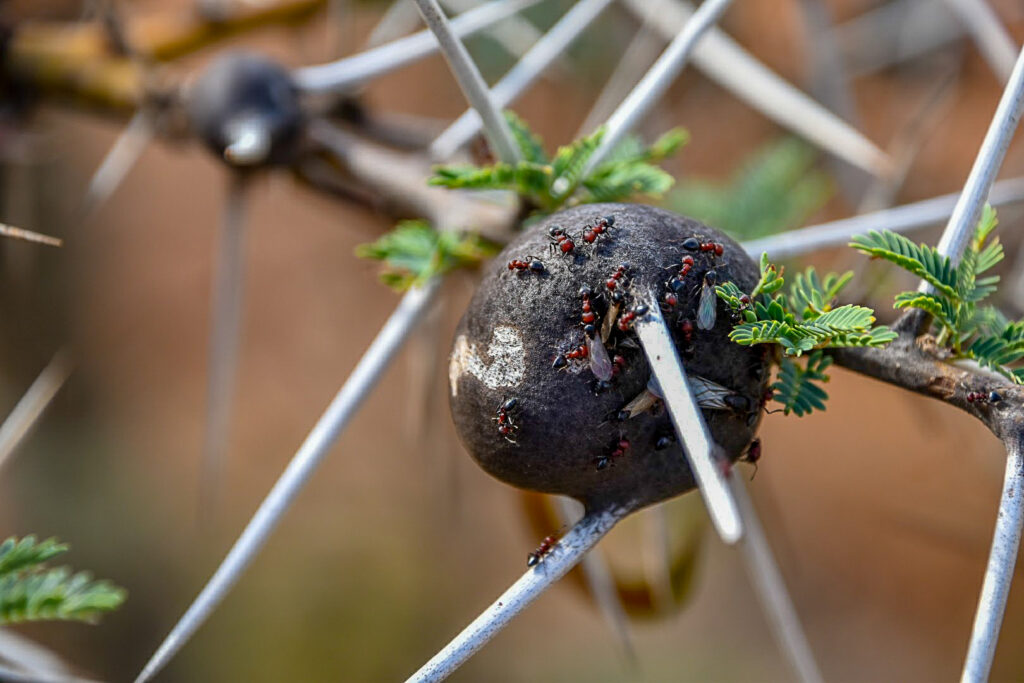
Research at Mpala has helped reveal how invasive big-headed ants disrupt the ecological relationships that sustain Laikipia’s black cotton savannas. By displacing native ants that protect whistling-thorn acacia trees, these invaders leave trees vulnerable to heavy browsing by elephants and other large herbivores, with consequences that can extend across the wider ecosystem. Building on this existing research and evidence, the next step is to test promising control strategies, evaluate their effectiveness and determine whether successful approaches can be applied across larger areas.
Our ambition: Translate research findings into practical management solutions that protect native biodiversity, restore ecological relationships and help safeguard Laikipia’s savanna ecosystems.
Opuntia cactus has spread across large areas of Laikipia, displacing native vegetation, reducing land available for livestock and wildlife, and threatening the livelihoods of pastoral communities.
Mpala has launched an initiative to tackle this growing biodiversity crisis, beginning with efforts to prevent further spread across its own landscape while testing and evaluating approaches to management. Research will also explore whether Opuntia can be put to productive use, including as an alternative source of livestock feed or a raw material for biogas.
Our ambition: Grow and sustain Mpala’s Opuntia removal initiative, develop evidence-based management approaches and work with communities and partners to identify solutions that can be applied at scale.
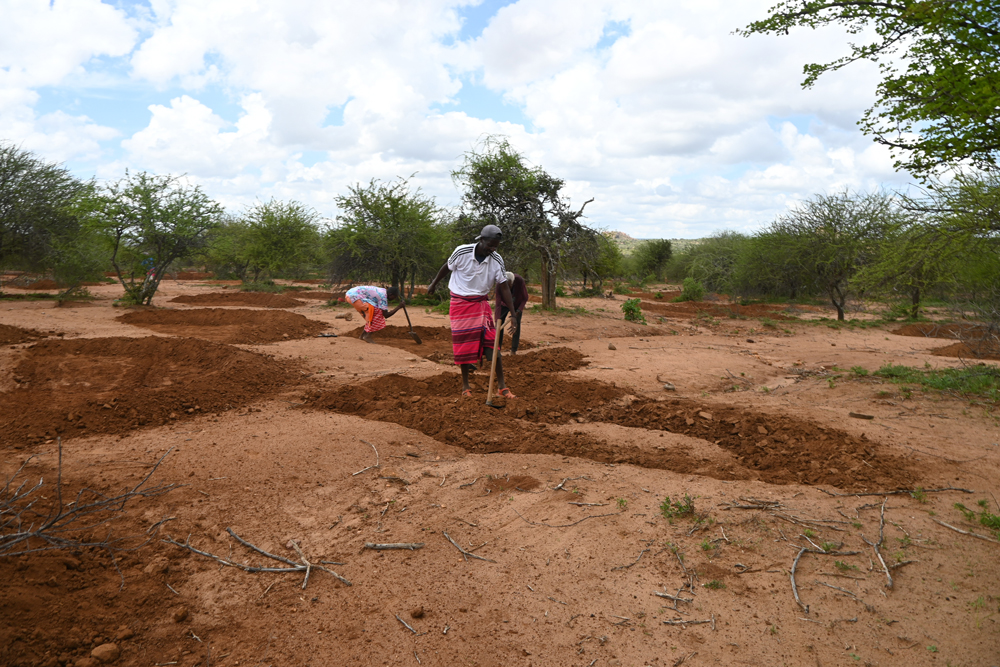
Healthy soils and productive landscapes are essential to food security and resilient livelihoods. The initiative will establish a new sustainable agriculture research programme, with a focus on regenerative agriculture and approaches suited to Laikipia’s environmental conditions.
Research will investigate practices that can improve soil health, support sustainable production and strengthen the resilience of agricultural and pastoral systems. Working with local communities and relevant partners will help connect scientific findings with practical needs and opportunities for adoption.
Our ambition: Generate evidence for sustainable agricultural practices that strengthen food security, support livelihoods and sustain the natural resources on which future production depends.
Most research at Mpala falls within one or more of these broad themes.
57 topics
Wildlife & Biodiversity
Research exploring biodiversity across Mpala's landscapes, including animal behavior, population dynamics, genetics, species interactions, and plant communities.
26 topics
Savanna Ecology & Ecosystems
Research examining how savanna ecosystems function and change over time through long-term experiments, ecological interactions, climate variability, and landscape-scale processes.
18 topics
Health & Resilience
Research investigating the interconnected health of wildlife, livestock, people, and ecosystems, with a focus on disease, environmental stress, and resilience in changing environments.
55 topics
People & Landscapes
Research exploring the relationships between people and landscapes, including livelihoods, governance, infrastructure, sustainability, and adaptation across East African rangelands.
Research Projects
Active research at Mpala
Filter Research ProjectsCollapse
Research Themes
Loading projects...
Inactive projects are paused between funding or survey cycles.
No projects match the current filters. to see all projects.