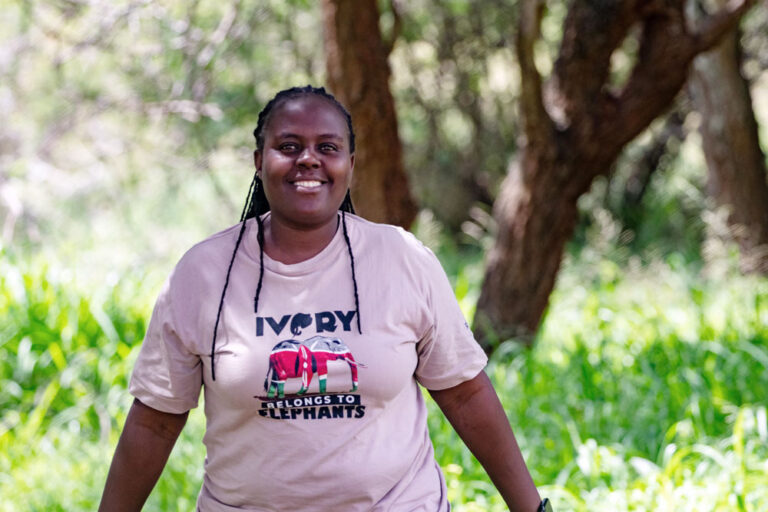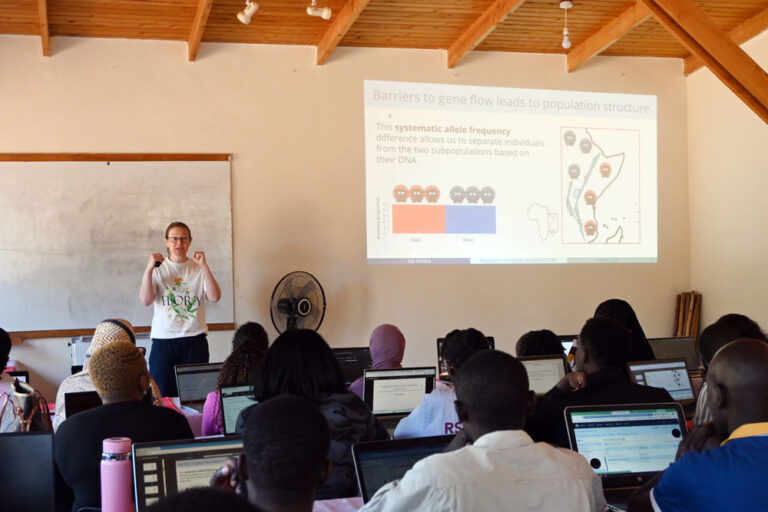
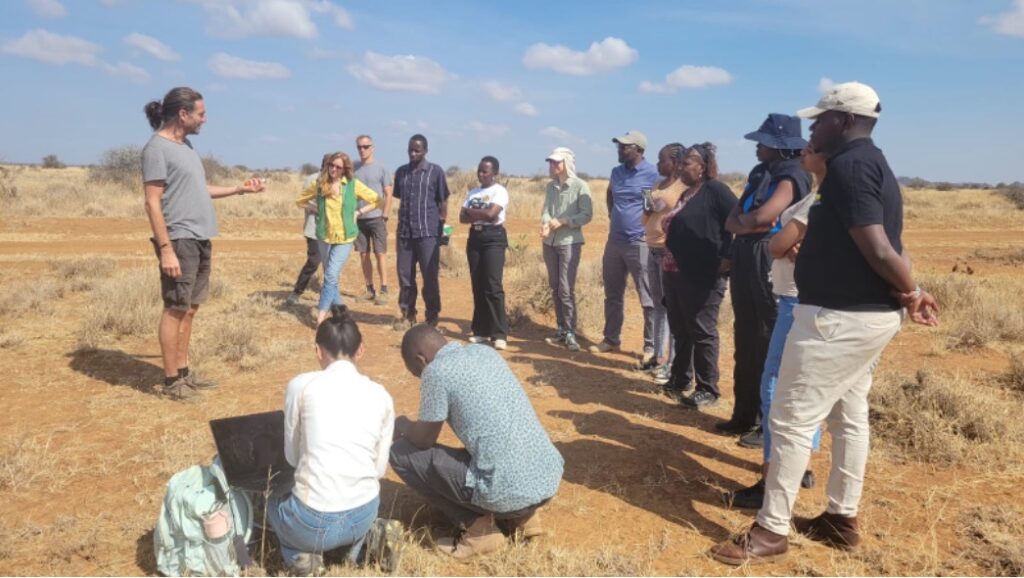
The ground carries signals from the surrounding activity. Learning how to record and interpret those signals was the focus of the Asili Sensa workshop at Mpala on 9–11 September 2026. Over three days, researchers, students, engineers and conservation practitioners brought technical questions into the field.
Led by principal investigator Prof. Tarje Nissen-Meyer of the University of Exeter, the workshop combined classroom sessions, practical demonstrations and fieldwork. It introduced participants to sensors that record ground vibrations and to questions about how those measurements might be useful.
The possible applications discussed included wildlife monitoring, soil health research and understanding crop-raiding elephants. These are areas for investigation and testing. Recording a vibration is one step; determining what produced it and whether it can support a dependable conservation application requires further work.
A practical highlight was assembling the Asili Sensa sensor system locally. Dr. Jiayao Meng, working with the Earth Rover programme and the University of Exeter, joined James Koech and Mary Dusabe of the Centre for Ecosystem Restoration–Kenya in building the sensors.
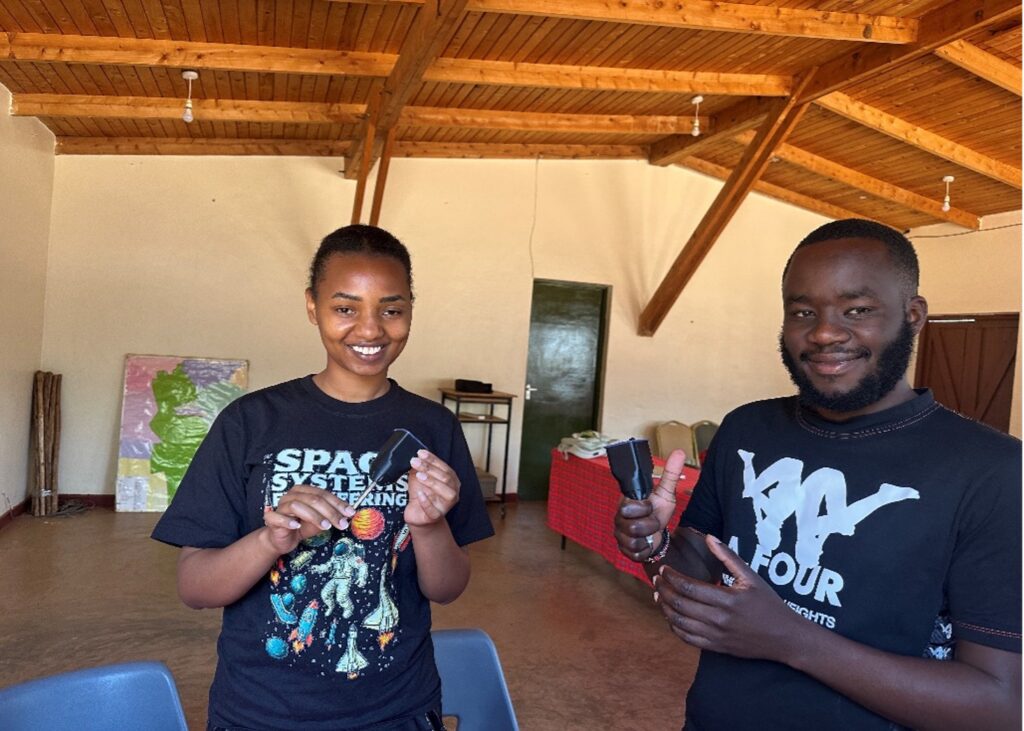
Assembly made the technology part of the learning experience. Participants could engage with the equipment itself, alongside demonstrations of its use in the landscape. Developing that familiarity is useful for future testing, maintenance and adaptation to local conditions.
Mpala provided a setting where technical discussions could meet real research needs. A shared landscape used by wildlife, researchers and neighbouring communities raises questions about where sensors might be deployed, what information would be valuable and how observations could be checked against other evidence.
Further sensor development, field testing and coordinated data collection are the next steps. Those stages will help establish what the system can reliably detect and where it may offer useful information.
For Asili Sensa, the workshop was both an introduction to a method and an opportunity to build the skills around it. Its promise lies in the work that follows: carefully testing the sensors, learning from the signals they record and developing applications that respond to conditions on the ground.