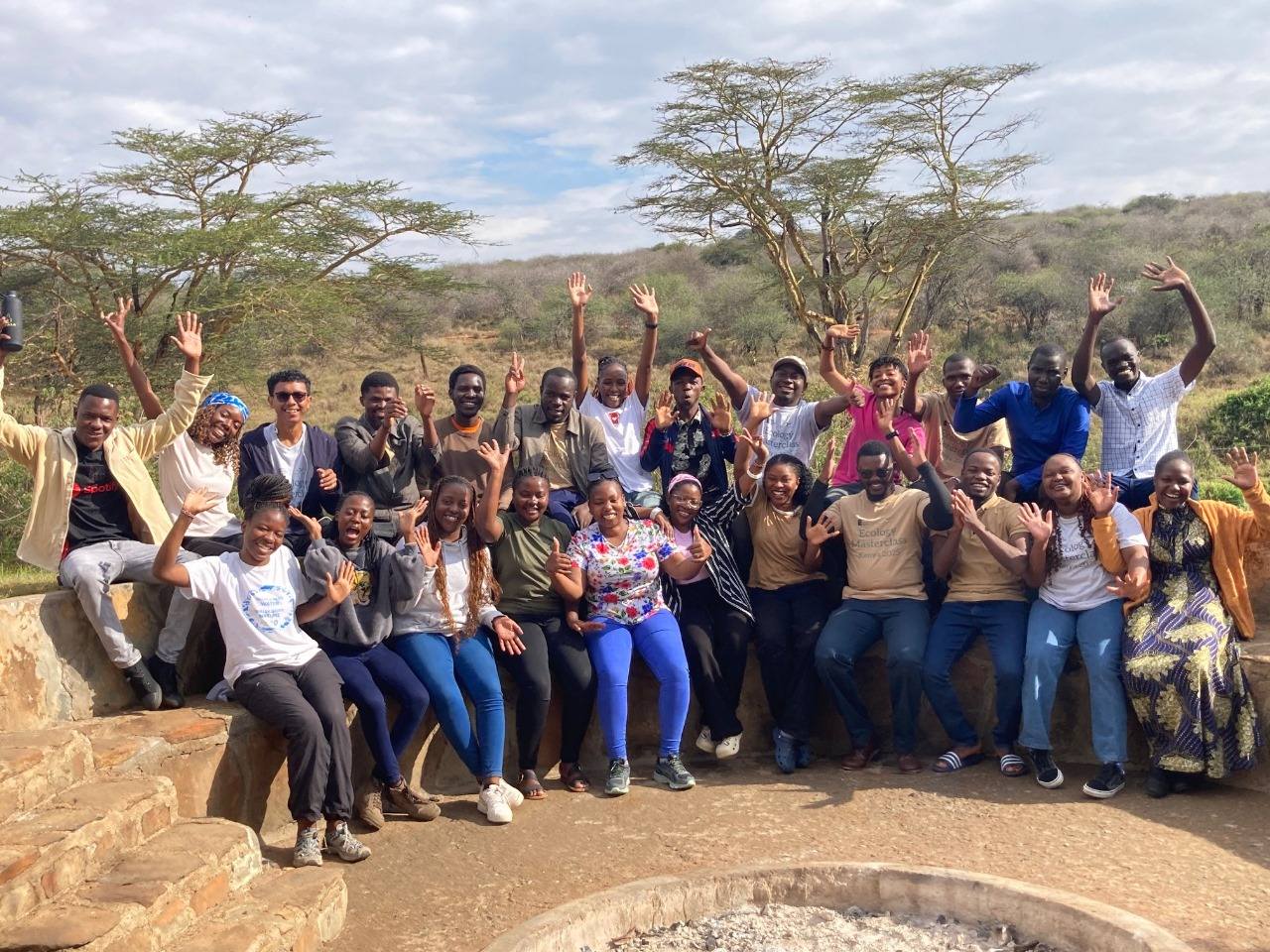
Researchers & Principal Investigators
Conducting approved research projects in ecology, conservation, animal behavior, or related fields.

Mpala Research Centre is a working research facility dedicated to advancing scientific knowledge and conservation. We welcome visitors whose work aligns with our mission.
Conducting approved research projects in ecology, conservation, animal behavior, or related fields.
Participating in approved field courses or conducting thesis research under supervision.
Working with existing Mpala programs or establishing new research partnerships.
Collaborating on conservation initiatives or capacity building programs.
Mpala Research Centre welcomes researchers, students, and educators from around the world. Here is everything you need to know to plan your visit.
Ensure your project aligns with Mpala's research priorities and you meet eligibility criteria.
Submit your proposal through our portal and obtain required research permits.
Reserve accommodation, arrange travel, and prepare for your fieldwork experience.
We offer comfortable accommodation designed for researchers who need both rest and workspace. All options include meals, wifi, and access to common facilities.

Private cottages with bathroom, kitchenette, and desk workspace. Ideal for PIs and senior researchers.

Comfortable bandas with shared bathroom facilities. Perfect for individual researchers and small teams.

Shared dormitory accommodation for field courses and student groups with dining hall access.
A guide for researchers at Mpala Research Centre. All research activities in Kenya require permits from relevant government authorities, and each project needs a different combination of permits. Walk through the steps, understand what you need, and see how Mpala can help guide you through the process.
In a nutshell
Mpala reviews your project first. Government permits follow.
Include principal investigator names and affiliations, your proposed methodology, and a short project summary.
Or the Request for Affiliation form, if your research will not be based at Mpala.
Most government permit applications require it. All non-Kenyan researchers must be affiliated with a Kenyan institution accredited by NACOSTI.
Pay the applicable fees and complete any additional approvals. Mpala advises on sequence and supports the submissions.
Only once every permit that applies to your project has been issued.
Kenyan and non-Kenyan alike. It does not by itself authorize any specific type of research, and it does not have to be applied for at a fixed point in the process. Because the permit has a limited validity period, Mpala will advise you on the best time to submit relative to your other permits.
Apply through the NACOSTI portal, which redirects to e-Citizen. Review the current fees before applying.
Your answers stay in your browser. Nothing is submitted.
Question 1 of 6
Answer the questions in the Path Builder and your list is generated from your answers.
From your first proposal to the day research begins.
Anyone conducting research in Kenya must obtain a NACOSTI research permit.
Wildlife, plants, vegetation, biological specimens, genetic resources, and certain environmental data managed by the Government of Kenya.
Free, Prior and Informed Consent and Mutually Agreed Terms. These are required for certain projects accessing Kenya's genetic resources or biological materials. All FPIC-MAT and Material Transfer Agreements are submitted to the Joint Research Permitting Clearance Committee, which reviews and clears them before the KWS legal office and Director General sign off. Researchers no longer apply to KWS independently.
No. All permits required for your specific project must be issued before fieldwork begins.
Not always. Because the permit has a limited validity period, Mpala will advise you on the best time to submit.
Mpala's Research and Compliance Offices will review your project and guide you through the permitting process. Contact research@mpala.org before you begin your applications.
Still working out what applies to your project? Mpala's Research Office reviews every application and can talk you through it before you start.
Apply to Research Contact the Research OfficeMandatory for entry to Kenya. Bring your yellow card.
Strongly recommended. Consult your doctor for appropriate medication.
Comprehensive coverage including medical evacuation required.
Complete our health questionnaire before arrival.
Mandatory briefing on arrival covering wildlife safety and emergency procedures.
Follow all protocols for working in areas with large mammals.
Radio communication training and emergency contact procedures.
Never work alone in the field—always use the buddy system.
24/7 Emergency Contacts
Mpala Security:
Radio Channel 1
Emergency Line:
+254 112 015009
Medical Emergency:
Contact Security immediately
Wildlife Incident:
Do not approach – Call Security
Full emergency protocols, wildlife safety guidelines, and emergency procedures are provided during your mandatory safety orientation upon arrival.
We maintain a comprehensive safety program with trained staff and emergency response capabilities.
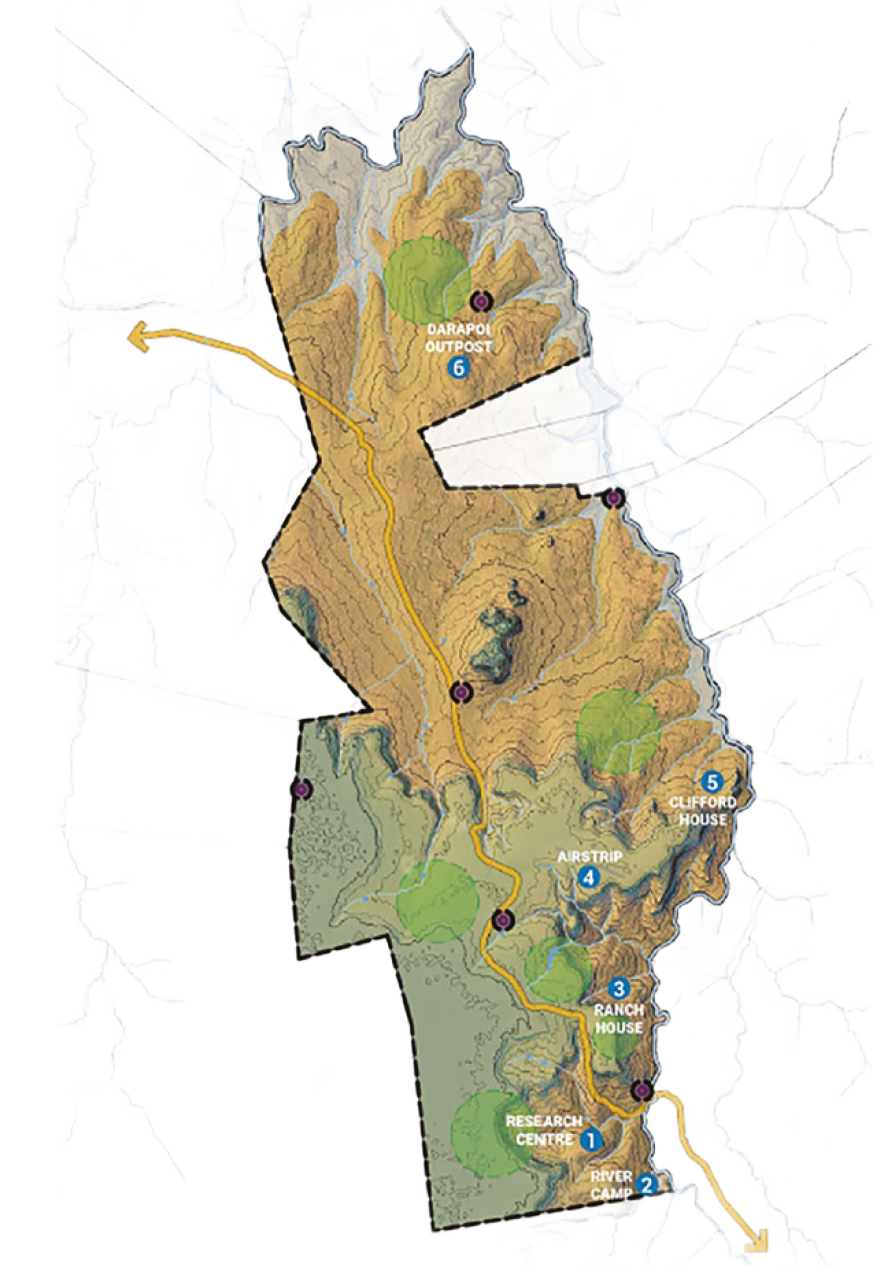
Regular scheduled flights from Nairobi Wilson Airport (WIL). Flight time: 45 minutes.
Ground transfer from Nanyuki to Mpala: 2 hours, $200 (arrange through portal).
Direct charter flights can land at Mpala's private airstrip with advance coordination.
Drive time: 5-6 hours (approximately 300 km).
Route: Nairobi → Thika → Nanyuki → Mpala.
Vehicle: 4WD strongly recommended, especially during rainy season.

Latitude: 0.2928° N
Longitude: 36.8990° E
Emergency: +254 112 015009
Full board includes: Accommodation, three meals daily, wifi access, and use of common facilities. Minimum stay: 3 nights.
AT MPALA RESEARCH CENTRE