Mpala is an active member of the broader Laikipia community and collaborates with neighboring conservancies, institutions, and local leaders to support long term environmental stewardship and regional collaboration. As a member of the Laikipia Conservancies Association (LCA), Mpala contributes to the LCA’s mission of promoting landscape connectivity, collaborative conservation, and strengthened collective impact across Laikipia.
Mpala partners and works closely with four neighboring communities: Lekiji, Il Motiok, Tiamamut, and Koija. We deeply value these relationships and are committed to strengthening collaboration and community impact over time. Our work is guided through a structured engagement process led by the Mpala Community Engagement Committee, which plays a central role in Mpala’s community engagement strategy. The committee includes representatives from each of the four neighboring communities, as well as representatives of women and youth, and meets monthly to review community engagement plans, discuss priorities, and assess progress. Committee members serve as important liaisons within their communities and have been instrumental in supporting outreach initiatives, job placements, and the identification of community needs and priorities.
Each year, Mpala supports and helps facilitate projects that contribute to education, infrastructure, livelihoods, access to resources, and overall community wellbeing.
Educational Programs
George Small Mpala Scholarship
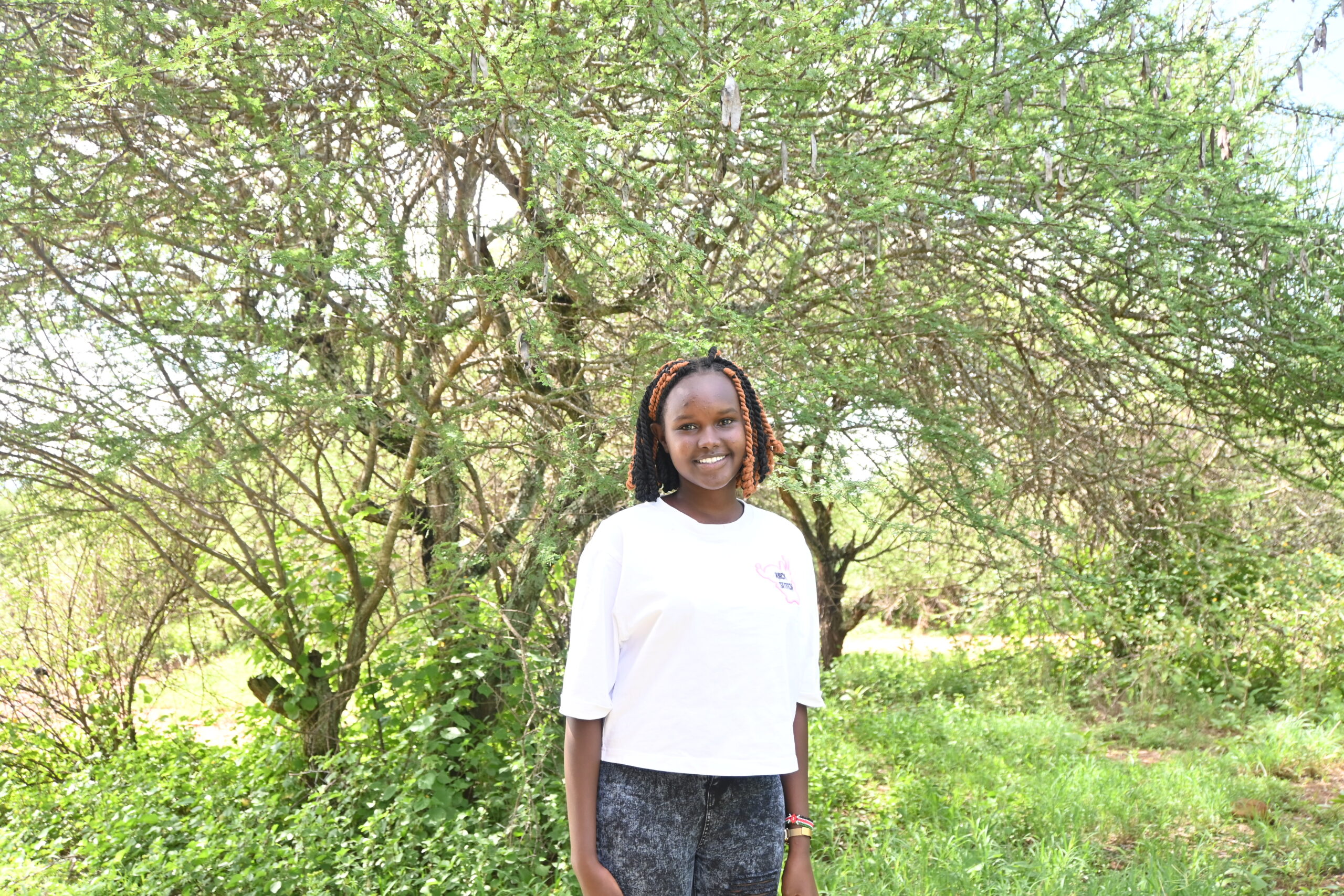
Since 2014, the George Small Fund has supported students from Il Motiok, Lekiji, and the Mpala community in pursuing high school, vocational training, and university education. The fund has impacted 45 high school students and 23 vocational training students to date.
Full scholarships for emerging African scientists pursuing graduate education and field-based research at Mpala. Since 2023, two cohorts of recent Kenyan university graduates have studied rangeland restoration, vegetation cover, livestock disease, and Grevy’s zebra conservation.
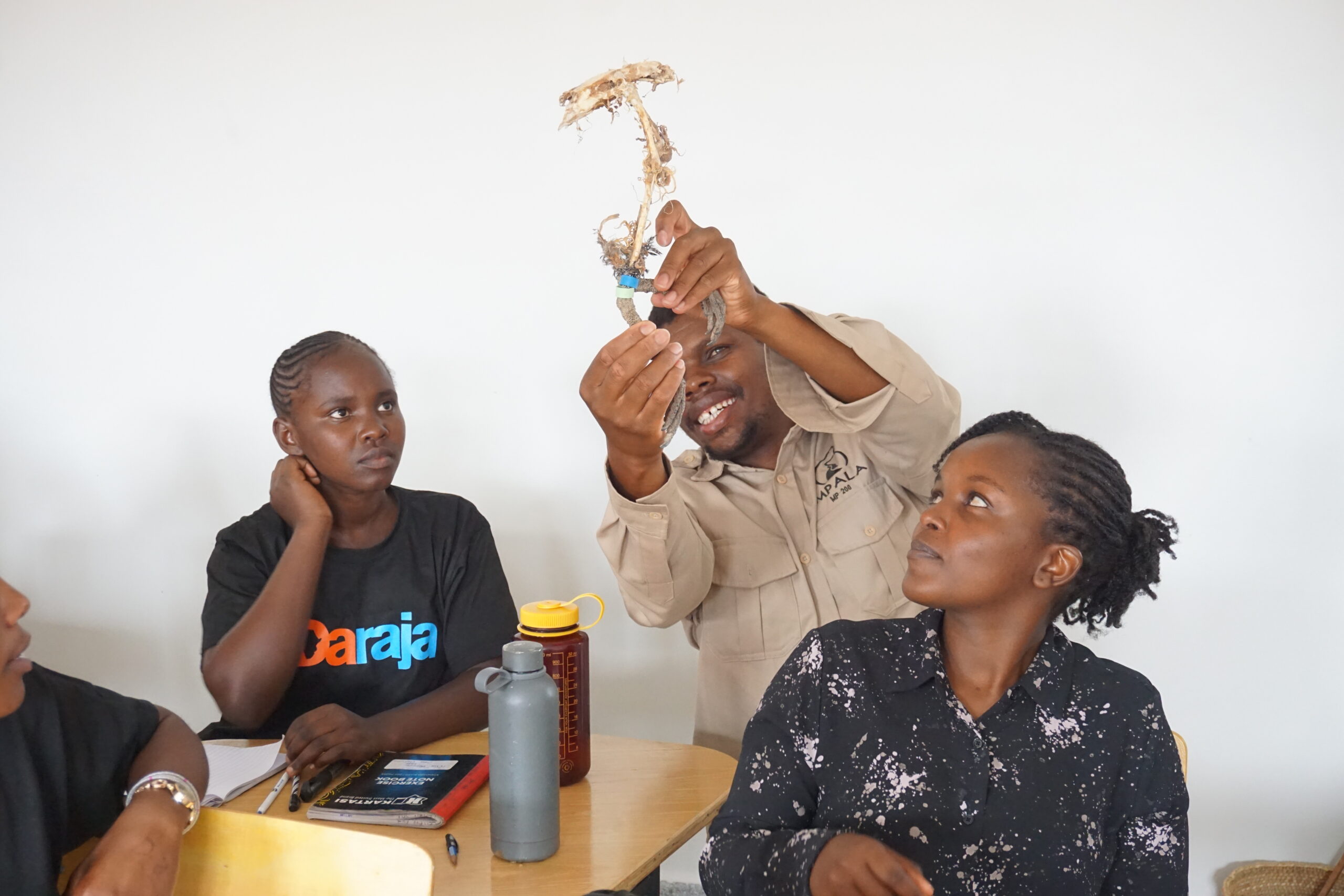
In 2025, Mpala and Daraja Academy re-established their partnership through internships, research dissemination sessions, immersive field trips, and a tailored conservation curriculum. Together we are building pathways for young women to thrive as environmental leaders.
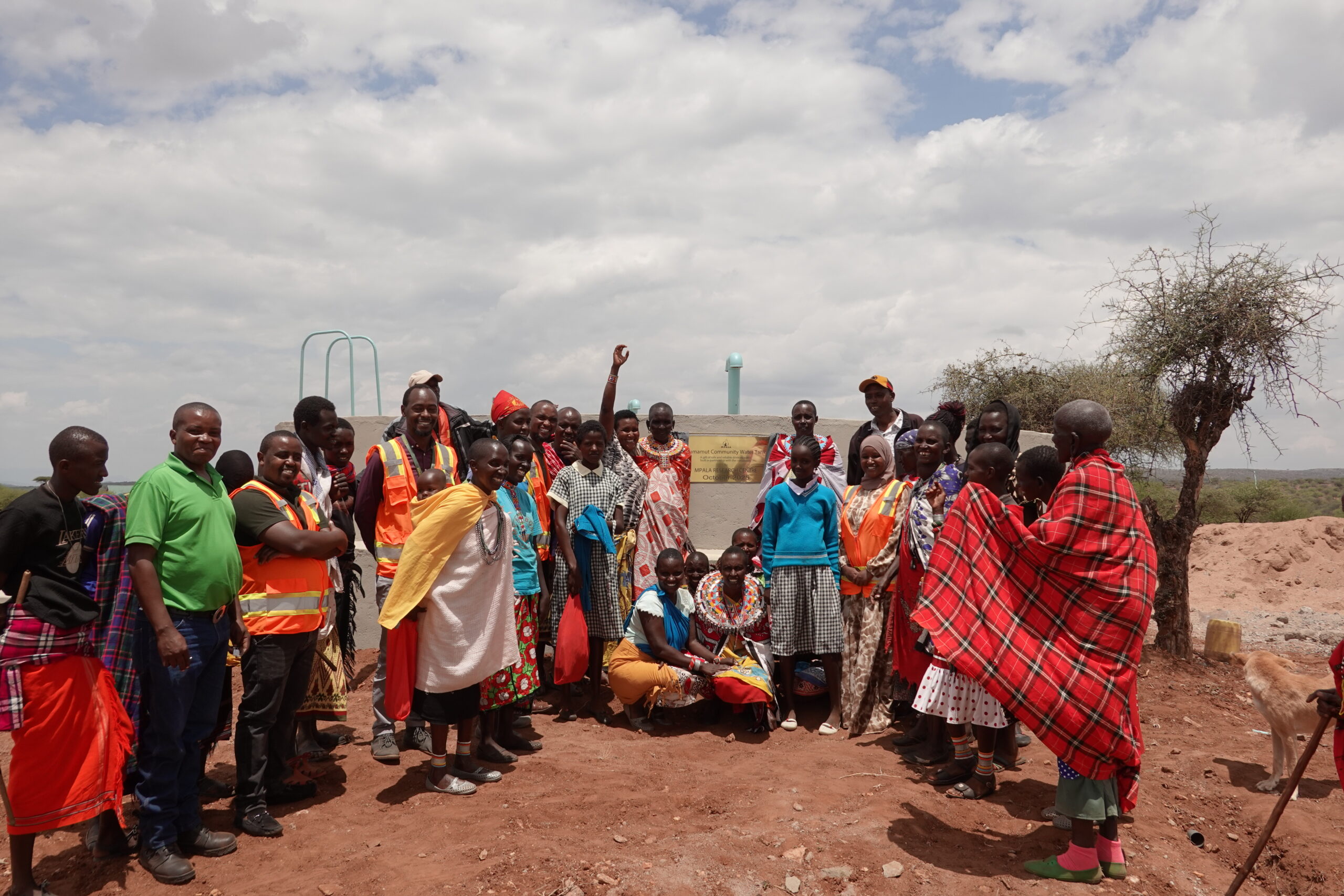
Two recent infrastructure projects have transformed clean water access for thousands of community members across Laikipia. The Lekiji Borehole, launched by Laikipia County Governor HE Joshua Irungu, EGH, brings clean water to the local school, dispensary, and the wider community. The 50,000-liter Tiamamut Water Tank supplies local schools, the community centre, and surrounding households, reducing waterborne illness and easing the burden on women and children traveling long distances to fetch water.
School Feeding Program
Content coming soon.
School Renovations
Content coming soon.
Health & Livelihoods Programs
Rabies Elimination
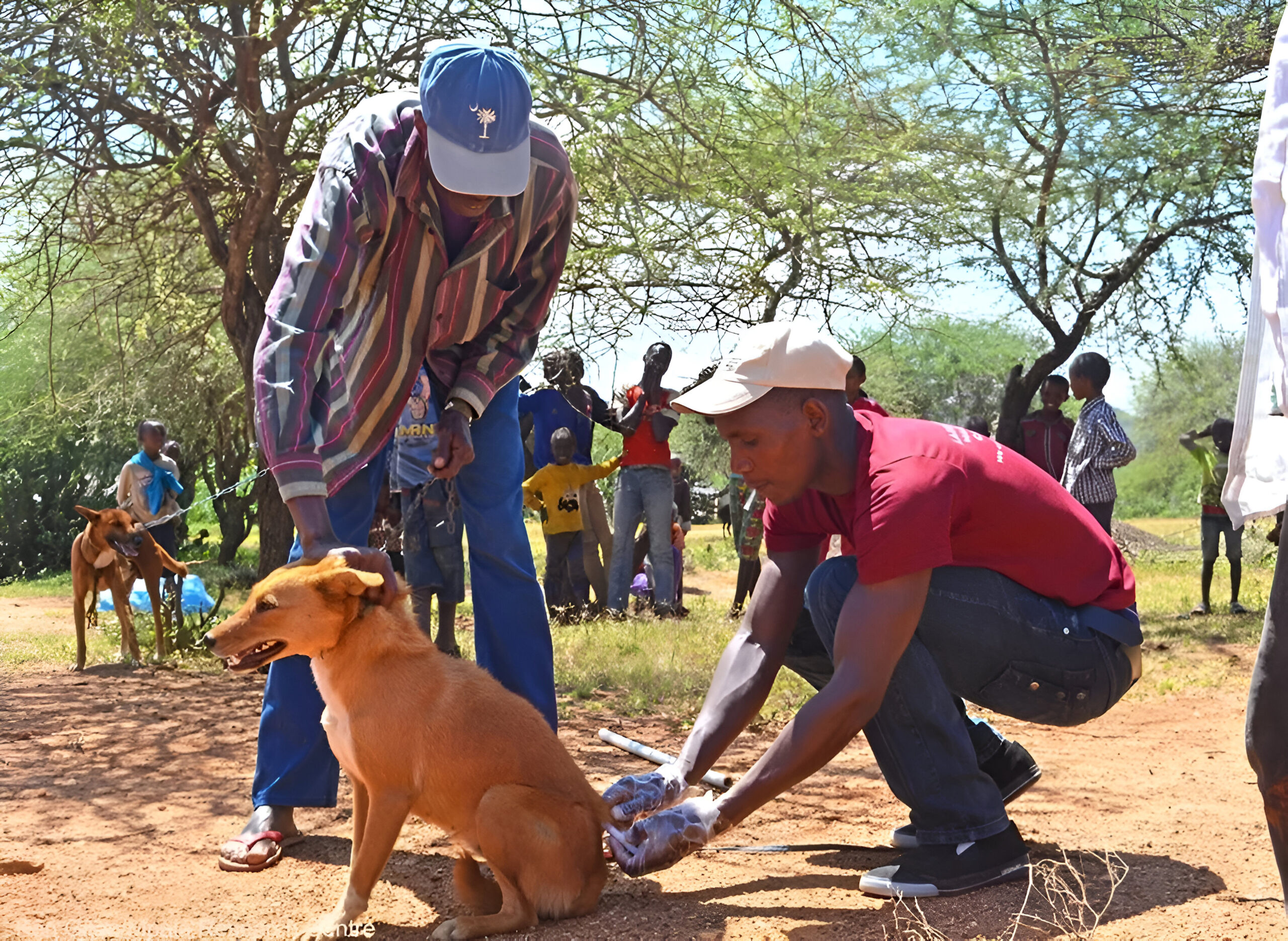
Free vaccination campaigns for domestic dogs and cats, community education about rabies prevention, and surveillance in partnership with local veterinary services.
Annual campaigns since 2015
Nearly 90,000 dogs vaccinated
$2 to vaccinate, $80 to treat a bite
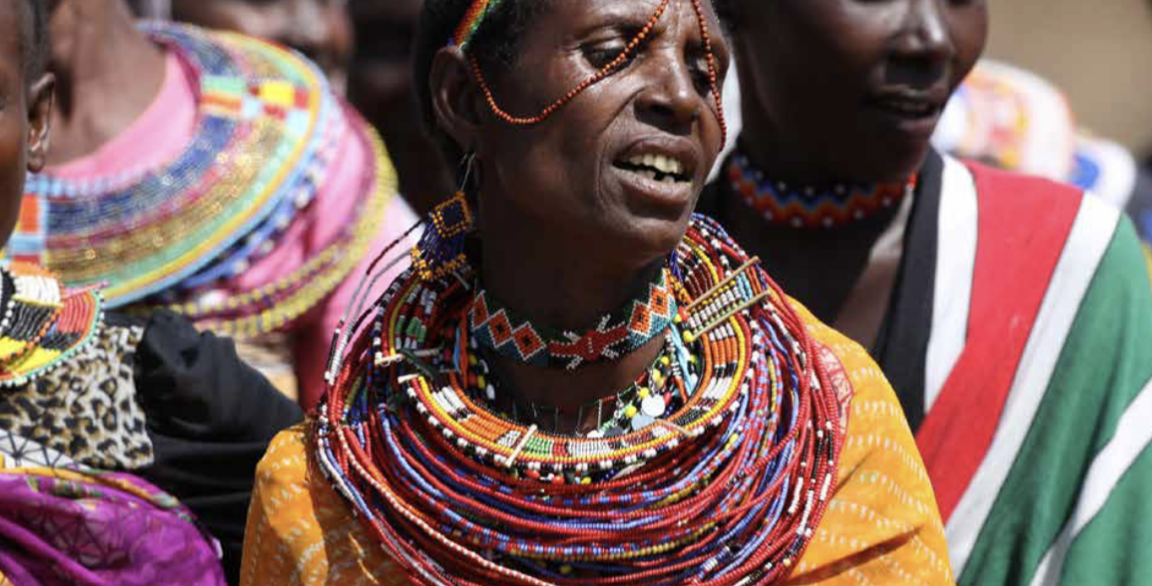
Women’s Enterprise
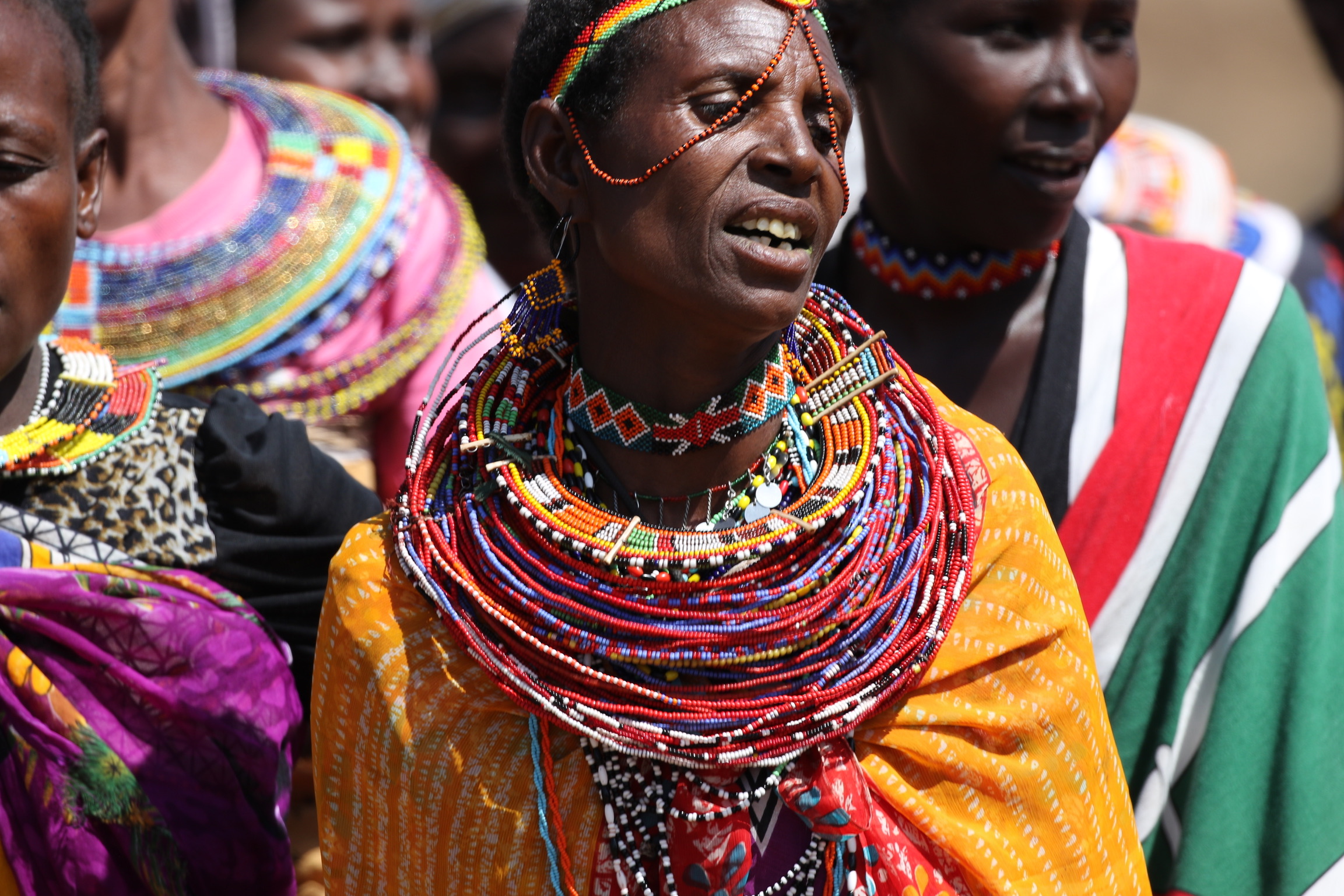
Skills training and microfinance support for women-led businesses, including beadwork cooperatives, sustainable agriculture, and eco-tourism ventures.
Leadership exchange: 40+ women
Financial management training
Average income increase: 300%
Mobile Health Clinics
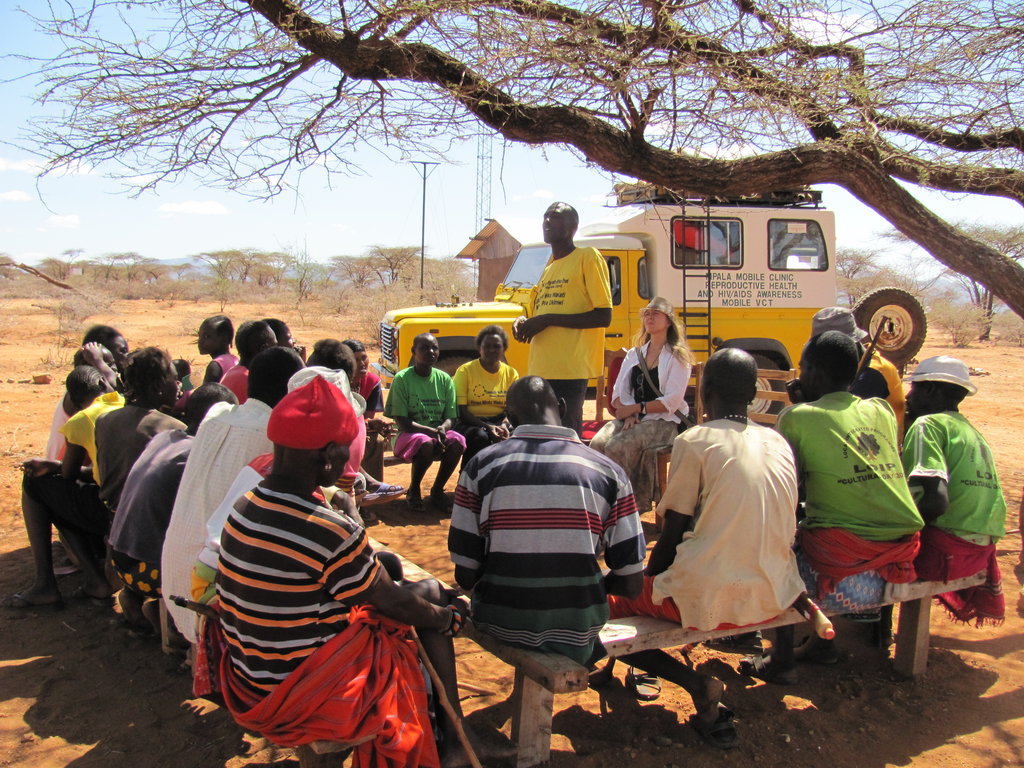
Partnership with county health services to provide primary healthcare, maternal health services, and health education in remote communities.
5,000+ patients served annually
12 communities reached
Focus on maternal & child health
Sustainable Agriculture
Training in climate-smart farming techniques, native tree nurseries, and kitchen garden programs to improve food security and nutrition.