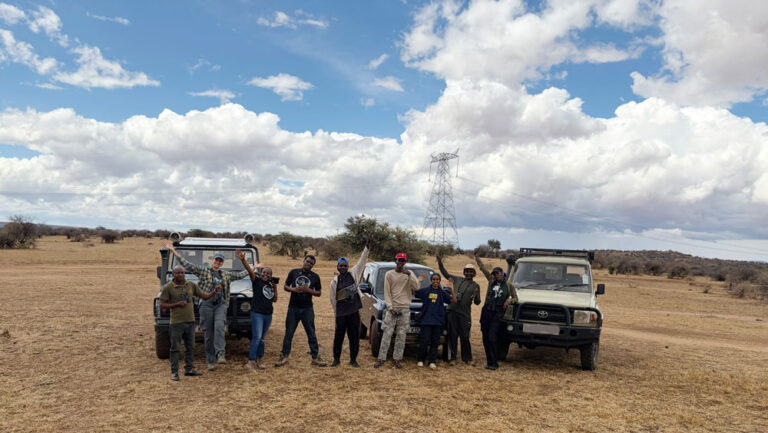

For decades, Mpala has been a living laboratory for understanding wildlife, ecosystems and the changing landscapes of northern Kenya. Now, a new research initiative is looking much further back in time, exploring the people who lived in and shaped this landscape long before the research centre was established.
The Mpala Archaeology Project brings together Mpala Research Centre, the National Museums of Kenya (NMK), the University of Nairobi and Princeton University in a long-term effort to document, research and better understand the archaeological heritage of Mpala and the wider Laikipia Plateau.
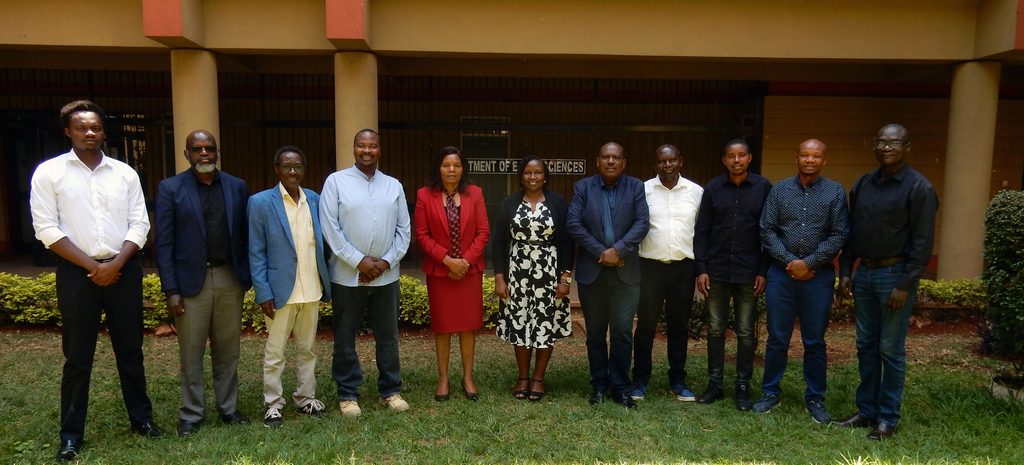
“We are doing this for our country. The important thing is that there is a clear understanding of what we are doing, who is involved and why we are doing it,” said Prof. Mary Gikungu, Director General of the National Museums of Kenya, welcoming the collaboration and emphasising the importance of documenting and safeguarding Kenya’s archaeological heritage.
The first phase of the project begins not with excavation, but with museum shelves, archives and records.
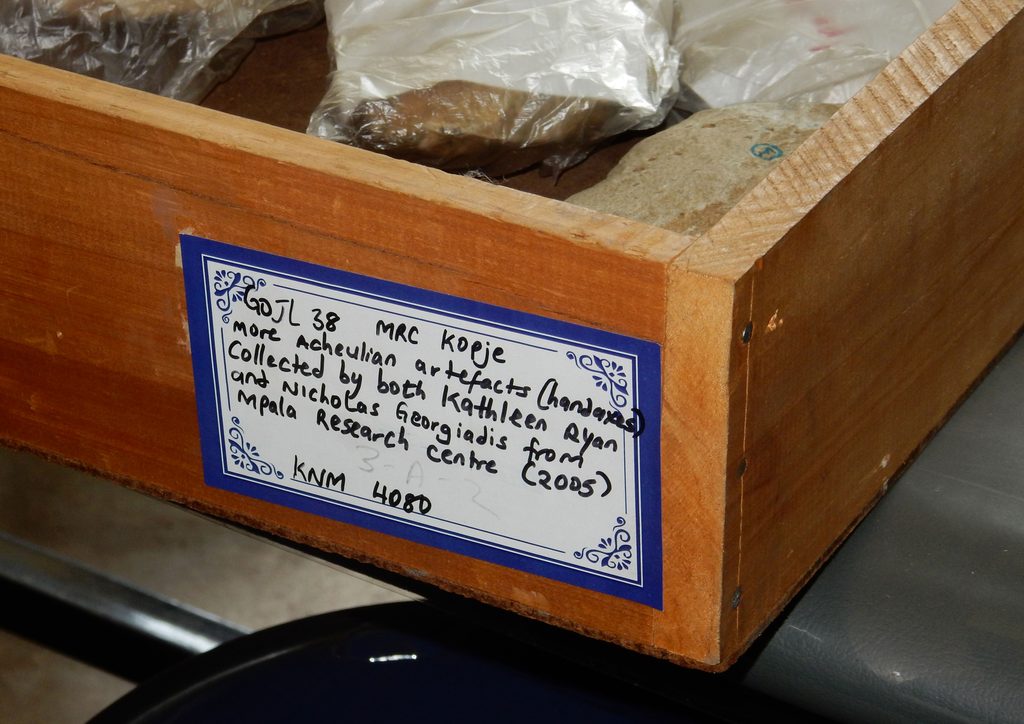
Archaeological work has taken place across Laikipia over many decades. The result is a rich but dispersed record that includes stone tools, ceramics, animal remains, beads and other materials, alongside field notebooks, site registers, photographs, maps, excavation records and published and unpublished research.
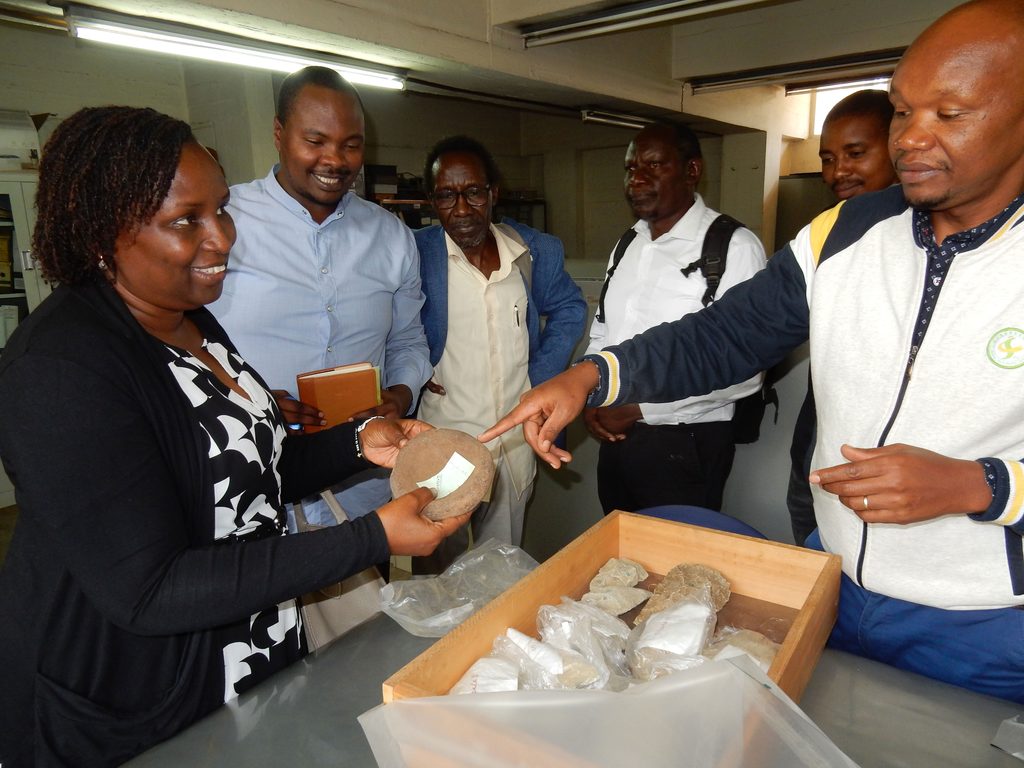
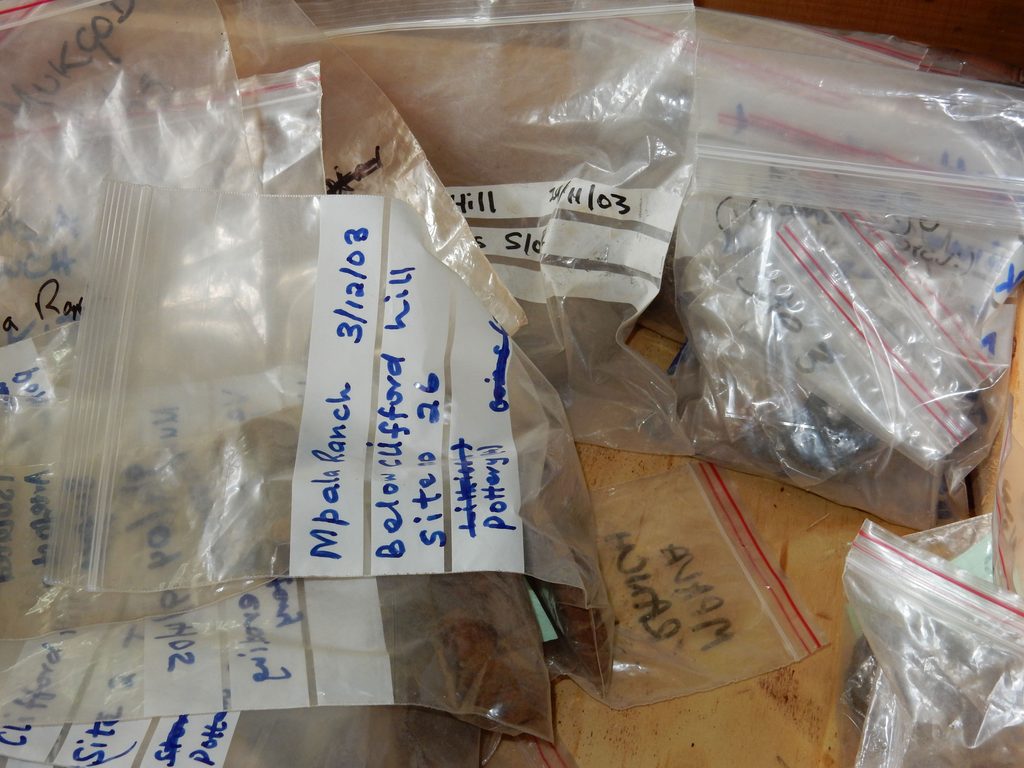
Working with collections held by the National Museums of Kenya, the project team will identify material associated with Mpala and the wider Laikipia landscape, reconcile existing records and establish a standardised catalogue.
The principle guiding this first stage is straightforward: understand and document what already exists before generating new archaeological data.
This work will provide the baseline for future archaeological investigation at Mpala. Phase 1 will identify collections, consolidate dispersed documentation, standardise catalogue information, digitise artefacts and records, and connect individual objects to the sites and landscapes from which they came.
One of the project’s most significant ambitions is to transform this historical record into an integrated digital resource.
Instead of an artefact existing simply as an object in a collection, the system is intended to connect it to its archaeological context: the collection it belongs to, the site where it was found, the wider landscape, photographs and records associated with it, subsequent analysis and the research publications that interpret it.
The project will use internationally recognised approaches, including FAIR principles, which emphasise making data Findable, Accessible, Interoperable and Reusable, and CARE principles, which address Collective Benefit, Authority to Control, Responsibility and Ethics. It will also explore CIDOC CRM and CRMarchaeo for connecting archaeological and museum information within a common digital system.
By the end of February 2027, the project aims to have a functional digital archaeological system and portal that will provide a foundation for the next stage of research.
While Mpala provides the project’s starting point, archaeology does not follow property boundaries.
People, wildlife, water and other resources have moved across the Laikipia landscape for generations. Understanding an archaeological site, therefore, requires looking beyond individual artefacts and locations to the environmental and cultural landscape around them.
For this reason, the project places Mpala within the broader archaeological context of the Laikipia Plateau, connecting sites at Mpala with neighbouring archaeological localities and comparative collections from across the region.
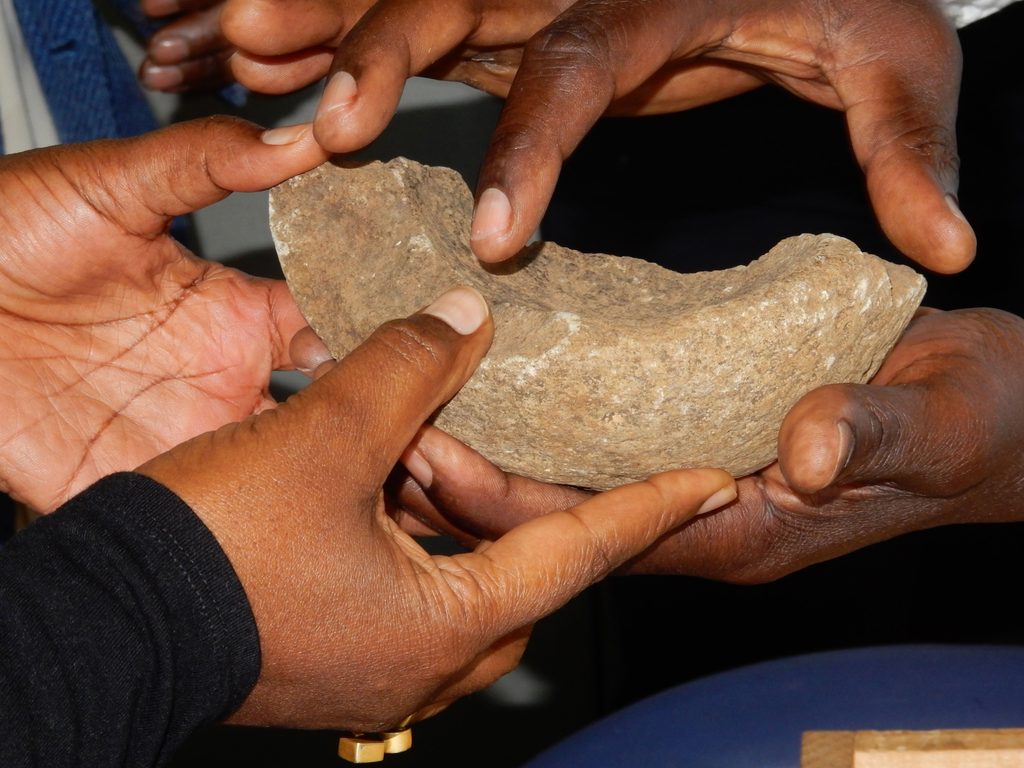
Phase 1 focuses on collections, records, digitisation, and the building of the archaeological baseline. Phase 2 will take researchers back into the landscape through archaeological surveys, GIS mapping, targeted excavation, dating, laboratory analysis and environmental reconstruction.
The longer-term third phase envisions research infrastructure at Mpala supporting collections, laboratories, training, heritage interpretation and community engagement.
Community engagement will be particularly important as the work develops. Archaeological heritage is not simply a record of the past. It is connected to people living in these landscapes today, to their histories, and to their knowledge. Discussions with NMK emphasised the importance of ensuring that communities are part of the understanding and sharing of this history.
The project is also an investment in the next generation of researchers.
Two postgraduate students are already participating in Phase 1, with their dissertations forming part of the project’s planned research outputs. By March 2027, the team also expects to have produced foundational research papers, a standardised archaeological database, a new catalogue system, a digital archive, an analytical report and a research proposal to guide Phase 2.
During a recent project meeting at the National Museums of Kenya in Nairobi, partners reaffirmed the importance of conducting this work within Kenya’s established systems for archaeological research and heritage stewardship. NMK’s custodial role will remain central as the partners develop the project’s governance, research and digital components.
For Mpala, the collaboration also opens another window into a landscape already studied from many angles.