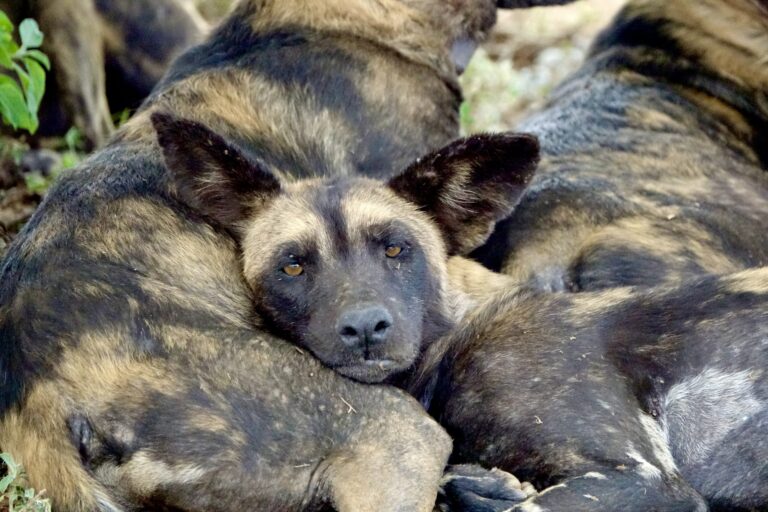
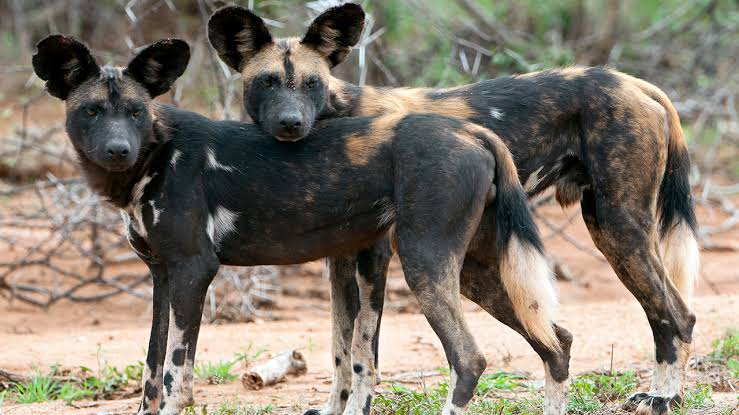
The African wild dog (Lycaon pictus) embodies the best of untamed nature in Kenya. They are clever, tireless hunters devoted to their familial packs. They are also one of the world’s most endangered mammals, with just 3,000 to 5,500 individuals remaining.
Wild dogs had nearly disappeared from Laikipia County in the 1990s due to infectious diseases like rabies and conflict with pastoralists, but focused conservation efforts helped the canines grow to over 300-strong. This made them the largest population of wild dogs in Kenya. But in 2017, severe droughts drove herders -and their domestic dogs – down from the north into Laikipia. The mixing of these domestic dogs with wild dogs led to an outbreak of the deadly canine distemper disease that spread rampantly through the population – and the wild dogs of Laikpia were thought to be entirely wiped out.
Almost a
year passed without any wild dog sightings. Then in 2018, a lone female was spotted
wandering Mpala. Despite being a pack animal, she had somehow survived on her
own. Her survival also suggested that she may be naturally immune or resistant
to canine distemper. As researchers debated the next steps, she was joined by
two wandering males who seemed to come from out of nowhere. The three wild dogs
linked up to form a small group, and then beyond conservationists’ wildest
hopes, the female denned and had five pups. From this, a new pack rose from the
ashes – and they were dubbed the “Phoenix Pack”.
Now a year
later, wild dog numbers have continued to slowly climb. Currently one pack of
nearly 20 individuals lives at Mpala. This summer the alpha female denned again
and had a litter of pups, bringing greater hope to their continued presence in
the landscape.
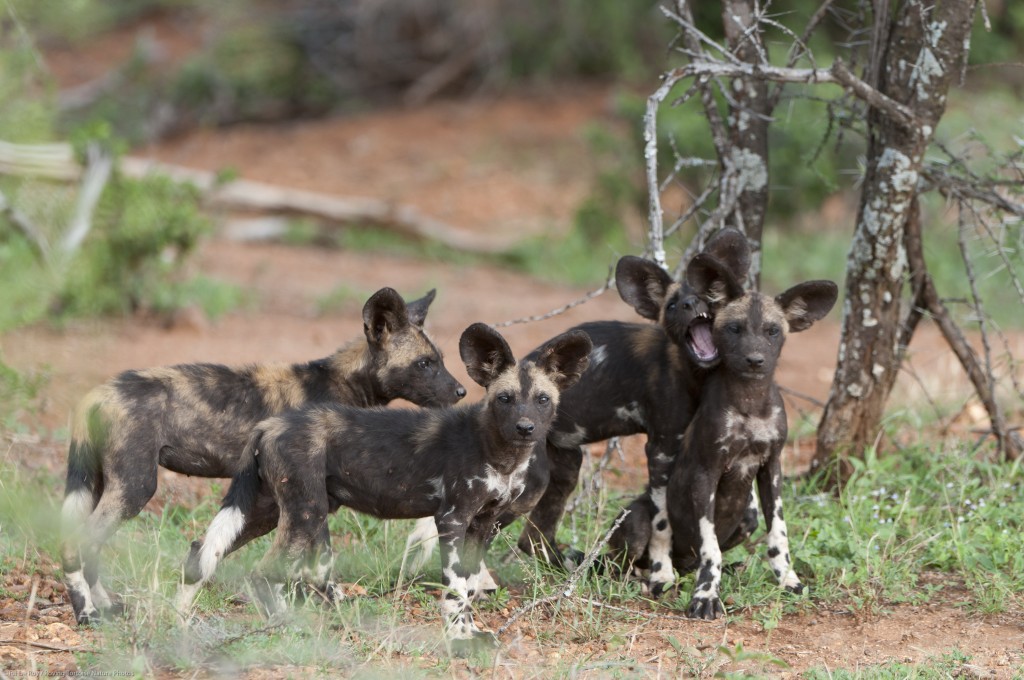
Credit: Ciara Nutter, Princeton in Africa fellow 2018-2019
Researchers at Mpala have been studying wild dogs since 2001 through the Samburu-Laikipia Wild Dog Project, led by Dr. Rosie Woodroffe and Dedan Ngatia. They are focused on developing sustainable solutions for pastoral people to coexist with the wild dogs and are studying the impacts of climate change and future resource needs for the species. They are also involved in the Laikipia Rabies Vaccination Campaign with a goal of eradicating rabies throughout the county for the health of wildlife and people.