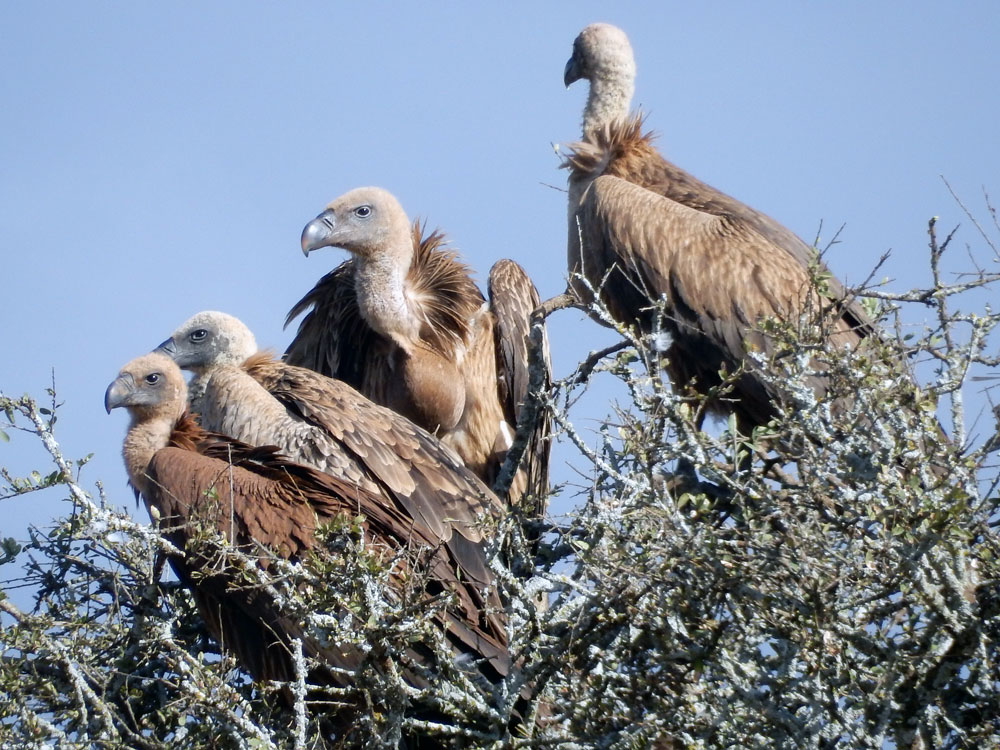
Vultures do not always have the best reputation.
For a group of students in Laikipia, however, International Vulture Awareness Day offered an opportunity to look at these remarkable birds differently, not simply as scavengers, but as an important part of healthy ecosystems.
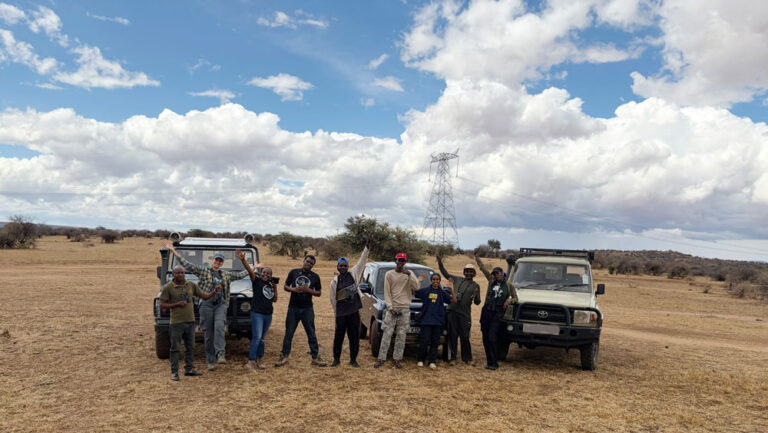
On 4 September 2026, Mpala Research Centre joined conservation organisations, birders, teachers and students at Likii Comprehensive School for a day of practical learning marking International Vulture Awareness Day.
The event brought together more than 130 participants, including 110 students from Likii Comprehensive School, St. Moses Comprehensive School, DEB Nkandone Comprehensive School and Brookwell Harmony School.
The day was organised in partnership with Laikipia Wildlife Forum, The Peregrine Fund, Northern Kenya Conservation Clubs, Kenya Wildlife Service, Mpala Research Centre and Youth on Wings – Nanyuki Birders.
But this was not a day for sitting through lectures.
The morning began outdoors.
Working in groups and equipped with binoculars, students explored the school grounds alongside birders and conservation practitioners. They learned how to identify birds using features such as appearance, behaviour, flight and habitat.
Among the species spotted were Superb Starlings, African Paradise-Flycatchers, Silvery-cheeked Hornbills, White-browed Sparrow-Weavers, Hadada Ibises and Common Bulbuls.
The exercise carried a simple lesson: you do not always have to travel to a protected area to begin observing nature. Even a school compound can become a place for discovering biodiversity.
Back inside, the students took a more active role.
Ahead of the event, participating schools had researched questions about vulture identification, habitats, nesting, ecological roles, threats and conservation. They then presented and debated what they had discovered.
The discussions explored the role vultures play in rapidly removing carcasses from landscapes and helping maintain healthy ecosystems.
Students also confronted some of the threats facing vultures, particularly poisoning, habitat loss and persecution.

Retaliatory poisoning following livestock predation is especially dangerous because poison intended for one animal can affect many scavengers that subsequently feed on the carcass.
The students were challenged to think about solutions too, from strengthening livestock bomas and protecting habitats to reducing unsafe use of poisons and helping their communities better understand vultures.
Rather than simply receiving conservation messages, the learners became the communicators themselves, asking questions, challenging ideas and sharing what they had researched.
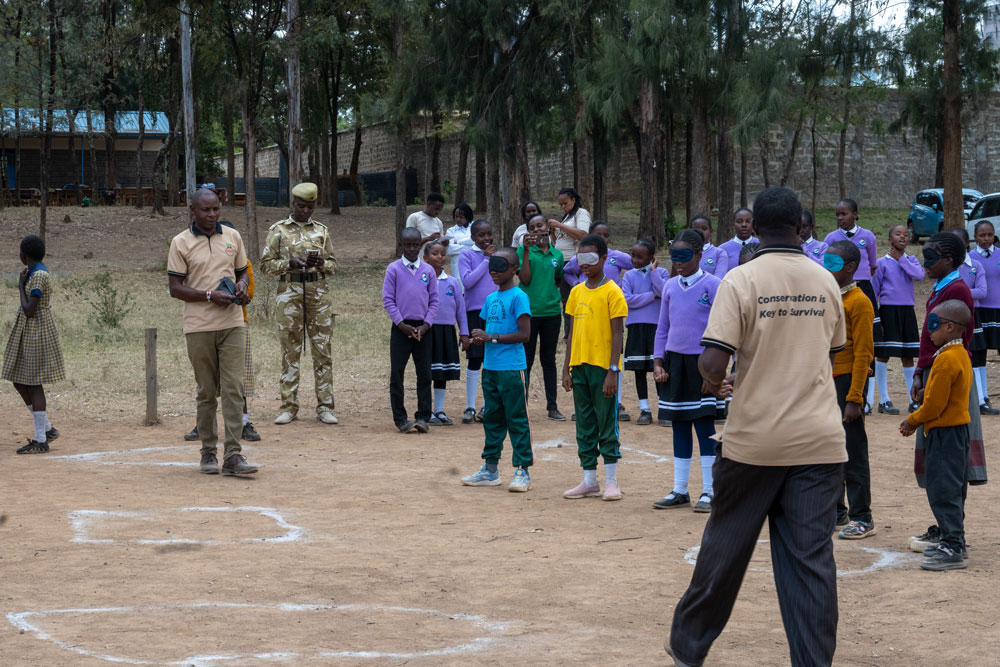
Learning continued through an interactive seed-dispersal game that used movement and role-play to explore how animals help plants and ecosystems regenerate.
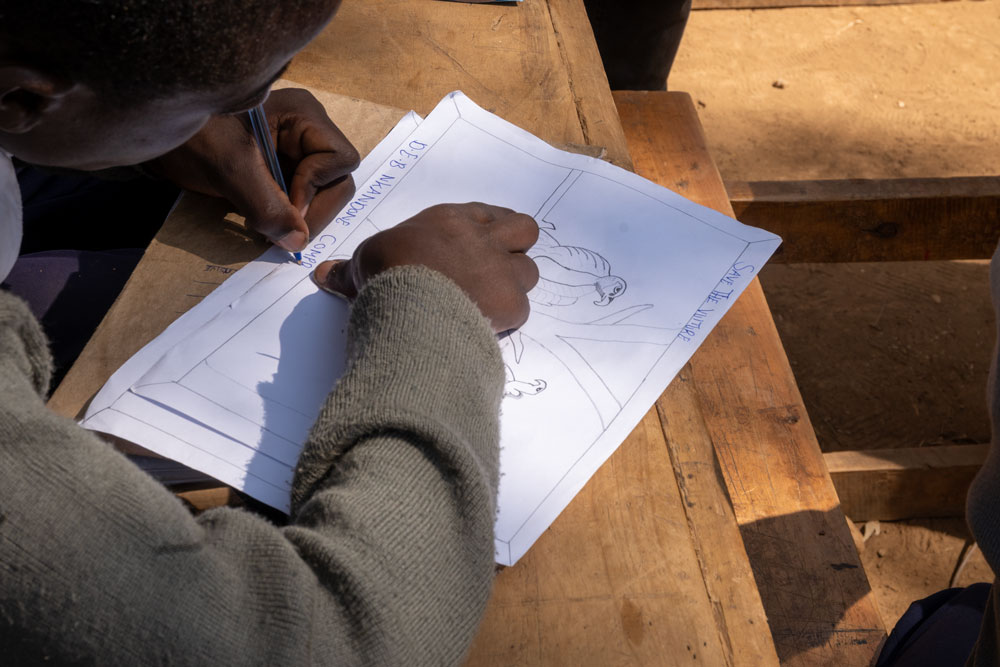
Students also turned to poetry, artwork, mime, dance and song to communicate what they had learned about vultures.
The day left something more permanent behind too.
Twelve ceremonial trees were planted by students, teachers and conservation partners, while Likii Comprehensive School received 100 indigenous tree seedlings to continue greening its grounds through the Adopt a Tree initiative.
The combination of field observation, debate, games, art and practical action reflected a broader idea at the heart of the event: conservation education works particularly well when young people participate rather than simply listen.
Vultures are among the world’s most threatened groups of birds, facing pressures ranging from poisoning to habitat loss.
Changing their future therefore requires more than studying the birds themselves. It also requires working with the people who share their landscapes.
Schools provide an important place to begin.
A student who understands why vultures matter can take that conversation beyond the classroom, into their family and eventually into the wider community.
For the organisations gathered at Likii Comprehensive School, International Vulture Awareness Day was therefore about more than celebrating one group of birds.
It was about curiosity, knowledge and giving young people the opportunity to see a familiar landscape, and some of its most misunderstood inhabitants, with new eyes.