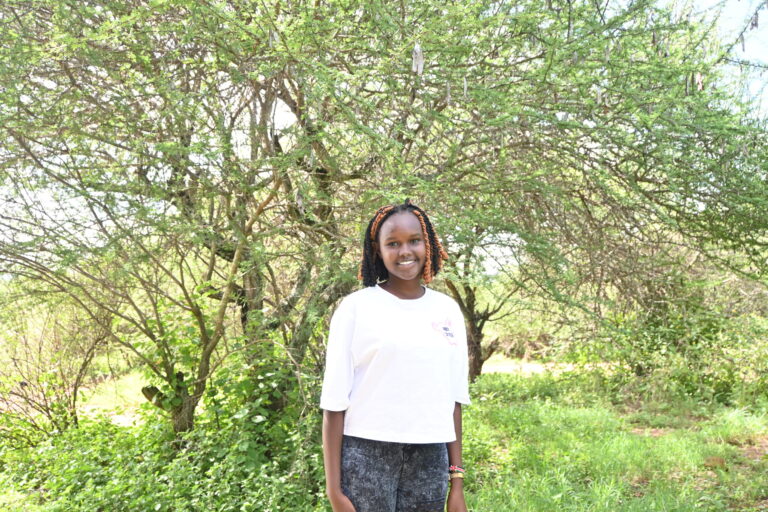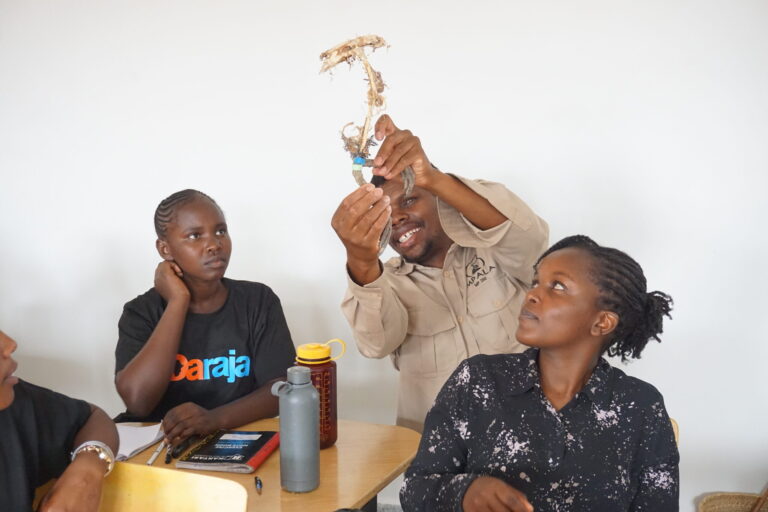

The Mpala Graduate Student Scholarship Program supports emerging African scientists pursuing graduate education and innovative field-based research at Mpala. The program is designed to advance research, strengthen scientific capacity, and support the next generation of African researchers working on critical environmental, ecological, health, and conservation challenges.
Beginning in 2023, Mpala has provided full scholarships to outstanding recent university graduates in Kenya. Scholarships support tuition, stipends, room and board at Mpala, and fieldwork expenses, providing students with the resources and research environment needed to advance their academic and professional development.
First Cohort
Sam Kiuna, Karatina University
Optimizing Rangeland Restoration Through Movable Cattle Corrals
Sam’s research examines how livestock management practices can support rangeland productivity, biodiversity, and wildlife conservation.
Chrispin Odhiambo, Jomo Kenyatta University of Agriculture and Technology
Understanding the Influence of Precipitation Patterns on Vegetation Cover at Mpala Research Centre, Kenya
Second Cohort
Abraham Odhiambo, Kenyatta University
Harnessing Phage Therapy and Microbiome Engineering for Bacterial Disease Control and Sustainable Livestock Productivity in Semi-Arid Rangelands
Lydia Illa, University of Nairobi
Harnessing the Power of Technology and Citizen Science for Conservation of the Endangered Grevy’s Zebra in Changing Climates within Laikipia
Brian Kipkorir, Jomo Kenyatta University of Agriculture and Technology
Molecular Surveillance of Anaplasma spp., Ehrlichia spp., and Other Related Tick-Borne Hemoparasites in Livestock at Mpala Research Centre
Through the Mpala Graduate Student Scholarship Program, Mpala seeks to expand and strengthen the network of African researchers addressing some of the world’s most pressing scientific and environmental challenges. By investing in emerging scientists, the program supports the growth of locally grounded research, scientific leadership, and long-term capacity building across the region.