Disease Ecologies in Shared Rangelands

This project examines how diseases circulate in shared landscapes, focusing on ticks and parasitic infections at multi-species interfaces. We aim to understand how social and ecological conditions impact zoonotic disease dynamics and cross-species transmission events. Northern Kenya is an ideal place to study this: wildlife and livestock have coexisted here for millennia, grazing across overlapping but contested territories, shaped by seasonal movement, land management, differential resource distributions, and increasingly rapid ecological change. These same factors also structure how pathogens persist, spread, and are controlled. In this context, we consider animal-borne diseases as landscape-level processes rather than a property of any single species. 

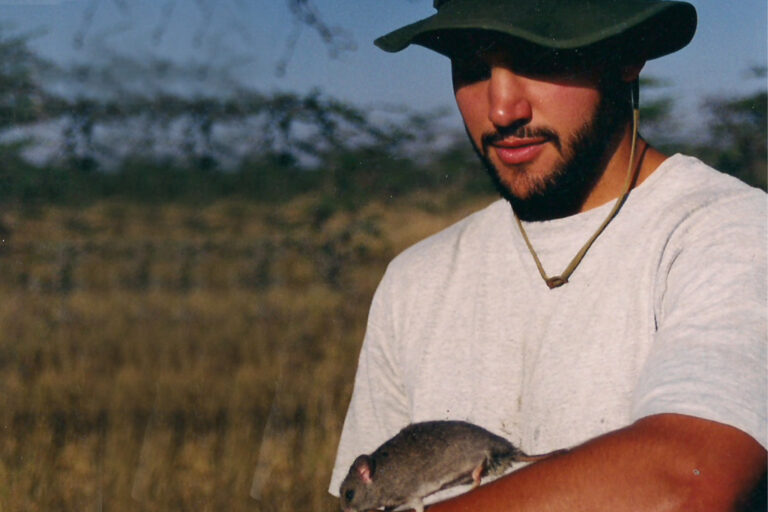
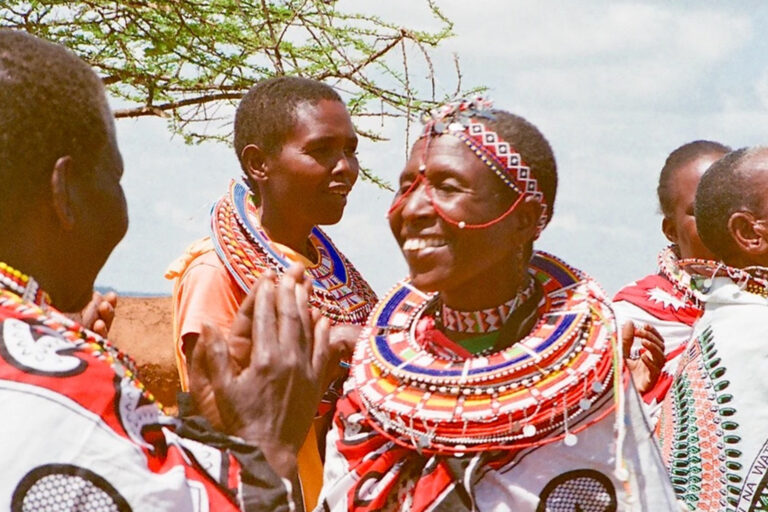
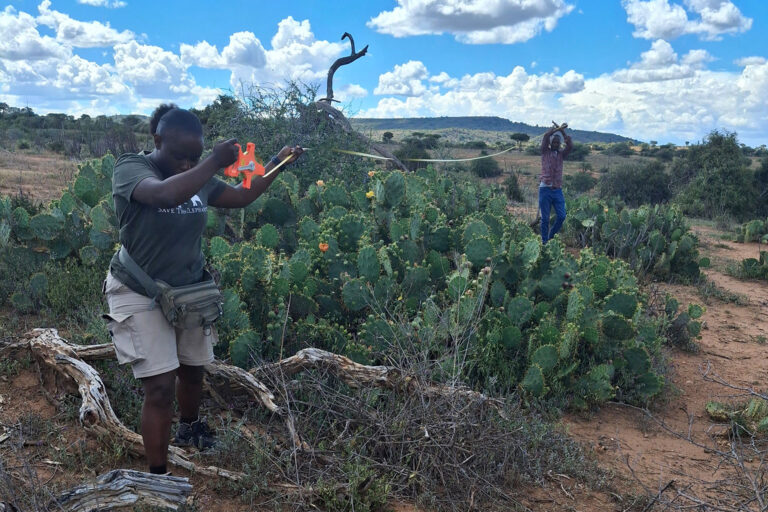
Our team consists of (but is not limited to!) researchers at Princeton (Dan Rubenstein, Hanna Ehrlich), staff at Mpala (Jackson Miliko, Rosemary Warungu, Tevin Onyango), a team of dedicated undergraduates, and over a dozen research staff from communities surrounding Mpala (from Lekiji, Il Motiok, and Koija), whose familiarity with herds, landscapes, and seasonal rhythms has been essential to our early success. We combine field-based sampling, focus groups and interviews, laboratory diagnostics, and spatial analyses to understand how ticks and pathogens vary with herd movement, wildlife overlap, and treatment practices. Much of this work is carried out in communal rangelands and alongside pastoralist households, and many of our early findings have reinforced local observations about when and where disease risk is highest. We view this as an important step in our initial validation and as a foundation to refine our questions. 

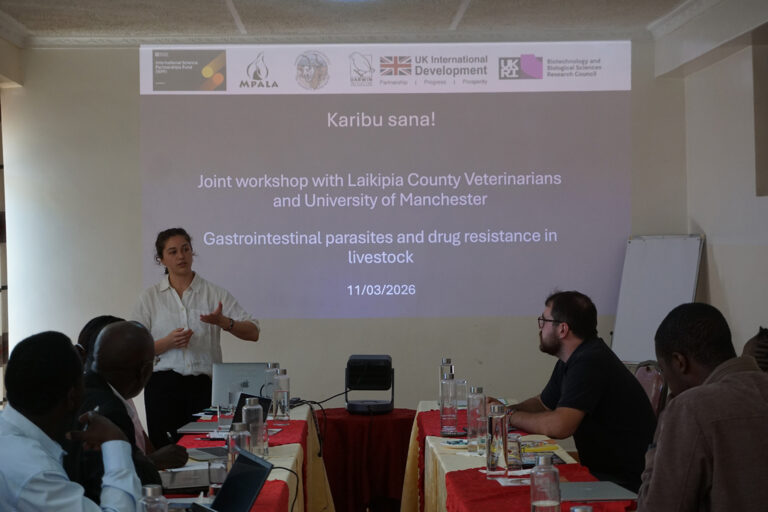
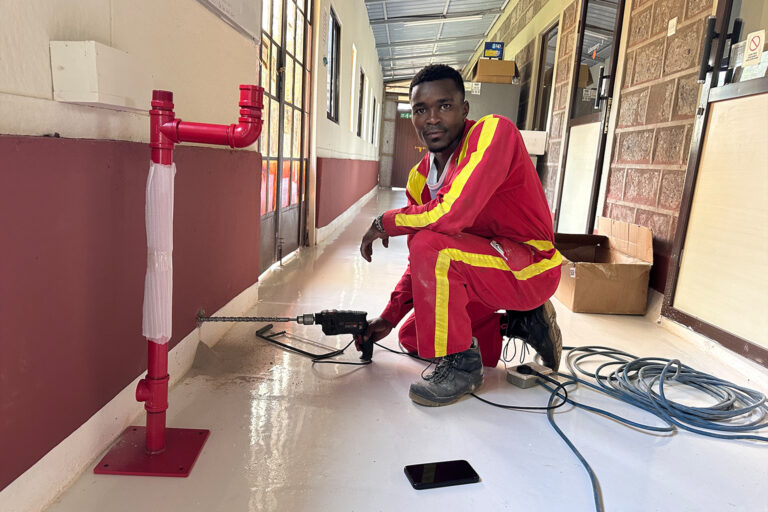
Our ongoing work with community herds is part of a larger, integrated One Health research program we are aiming to develop here at Mpala. One arm of this work takes place at Ol Pejeta Conservancy, where we are examining how livestock exclusion and reintroduction alter vector dynamics and potential spillover pathways between cattle and wildlife. Another focuses on understanding the flows and barriers of health-related information across individuals and sectors, with the ultimate goal of building a participatory disease surveillance network in the region. A third component of the project is aimed at increasing diagnostic capacity at Mpala to enable conservancies and communities in the region to respond more quickly to health threats. Together, these efforts link ecological research with applied surveillance, infrastructure, and policy development. 

University: Global Health Program, Princeton University 

Lead: Dr. Hanna Ehrlich, hanna.ehrlich@princeton.edu 

Project start: 2025