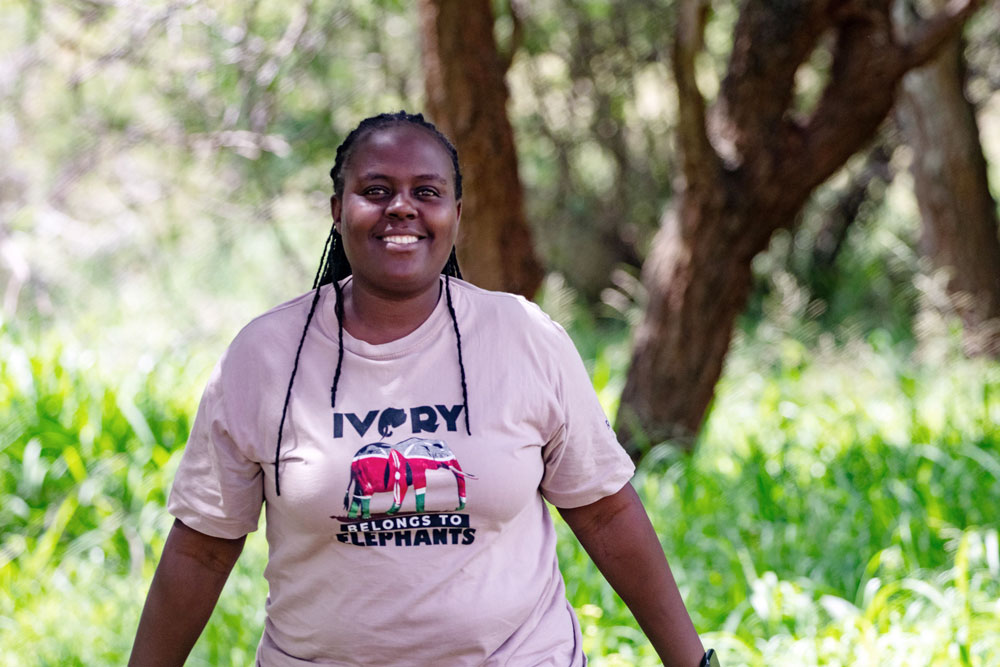
When Anne Mukoma arrived at Mpala in 2014, MpalaLive was just getting started.
The new project brought Mpala Research Centre into Explore.org’s global network of live nature cameras, creating a way for audiences anywhere in the world to experience Mpala’s wildlife in real time. Funded by the Annenberg Foundation, the partnership also had a bigger ambition: to use that window into Mpala to share knowledge about wildlife, research and conservation.
That required people behind the cameras who understood what they were looking at.
Anne did.
Born and raised in Murang’a County, she came to Mpala with a background in wildlife and natural resources. She studied Wildlife Management at the University of Eldoret, later pursuing an MSc in the same field, and conducted her thesis research at Lewa Wildlife Conservancy.
Her training made her a natural fit for MpalaLive. She joined the team to help operate the cameras, but over the next 12 years her role would grow alongside the platform itself.
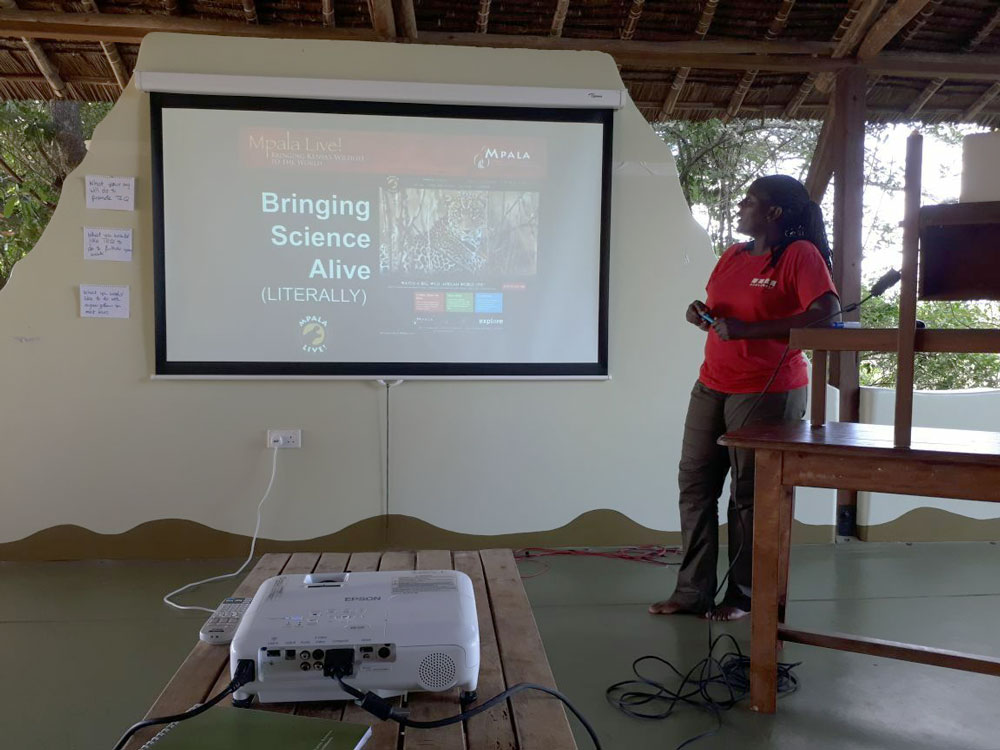
The cameras were the starting point. The idea behind them was always bigger than simply watching wildlife.
Anne captures that idea particularly well:
“Mpala is many things to many people. For scientists, it’s a living laboratory. For students, it’s a classroom in the wild. For live-cam viewers across the world, it is an unending adventure.”
That description gets to the heart of MpalaLive’s place within Mpala’s wider mission.
Mpala is a centre for research, education and conservation, where scientists work to better understand ecosystems and the species within them, and where students learn directly from the landscape. MpalaLive extends that experience beyond the physical boundaries of the Research Centre, taking a little of Mpala into classrooms and homes around the world.