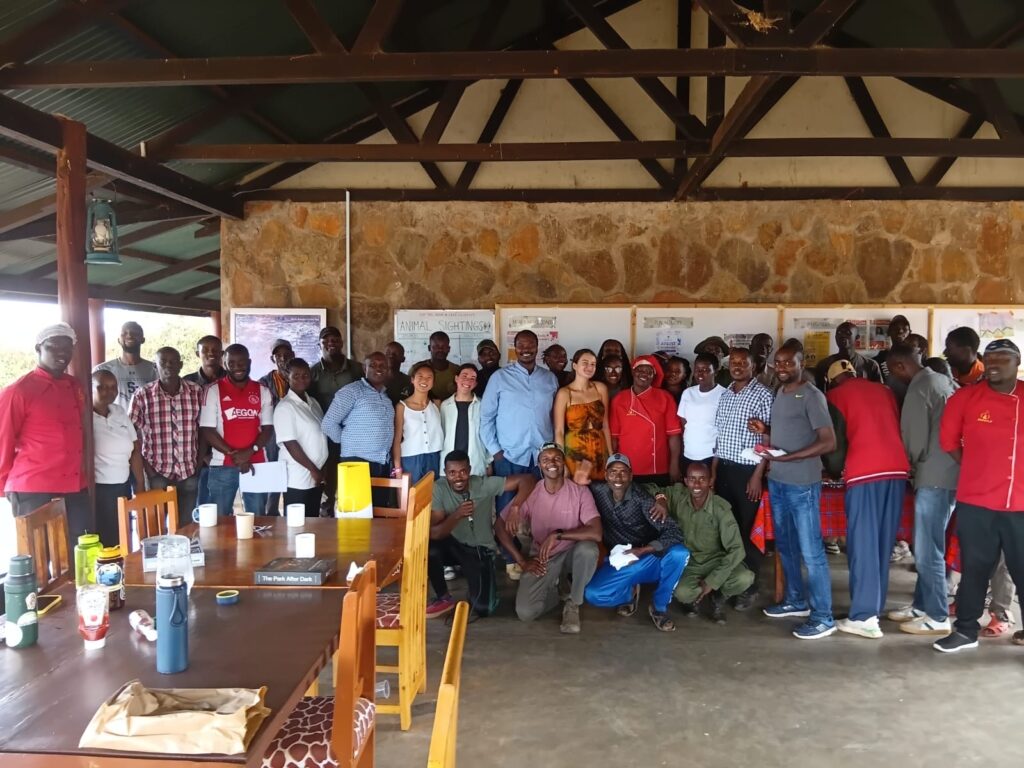
It is hard to put into words what being the Princeton in Africa fellow at Mpala this past year has meant to me. For anyone who has been lucky enough to stay at Mpala Research Centre, even only for a day, I believe what will follow will resonate, although some parts might only relate to the so called “long-termers” (Matt, can I even call myself that?).
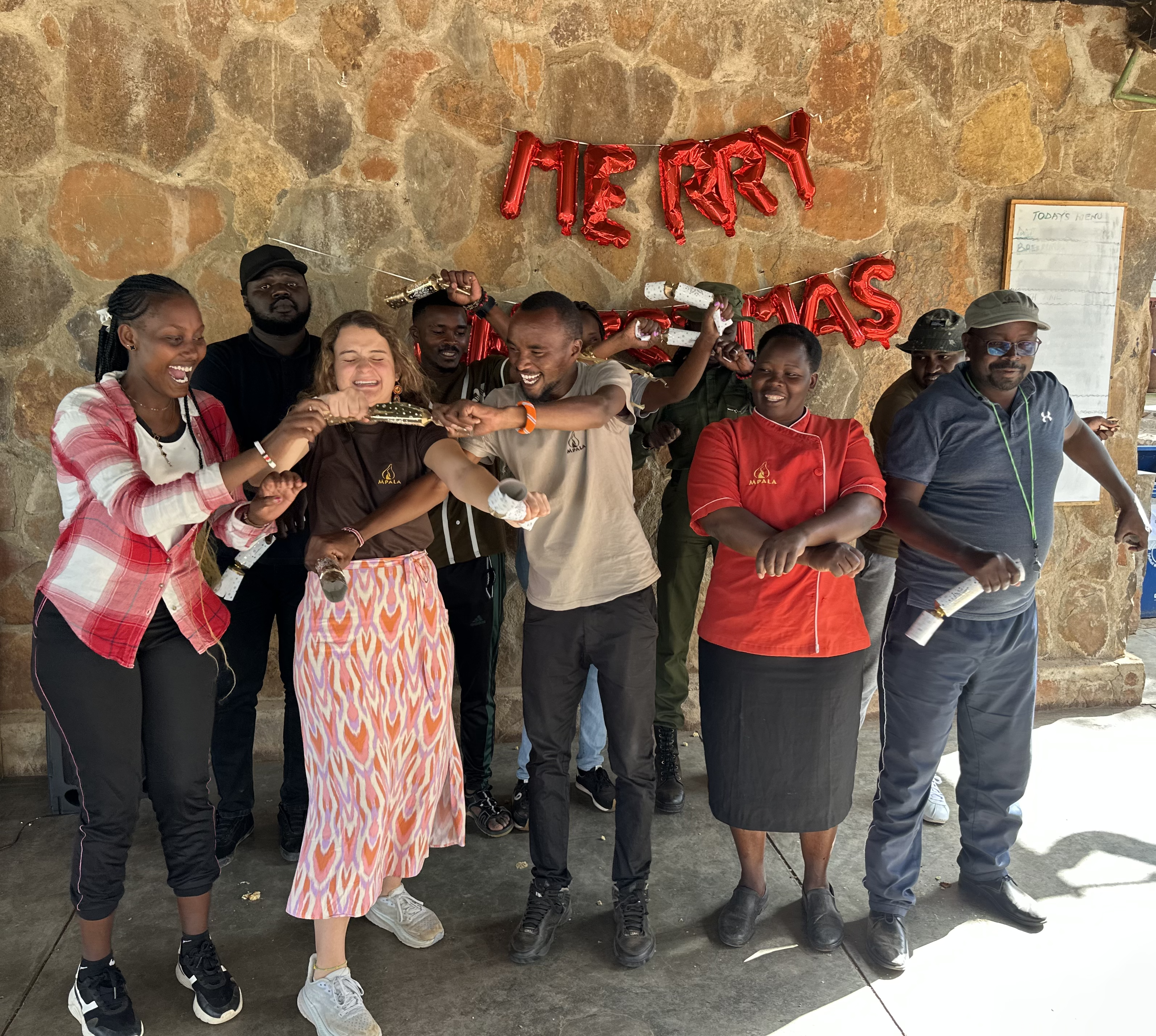
For the past year, I’ve seen baby elephants on the way to work, heard lions roar as I fall asleep, and seen the infamous black leopard Giza on a random Tuesday. I realize how privileged that makes me sound, but alas, the real privilege is having shared the same home as the 226 staff members and thirty-odd researchers at Mpala. Becoming a part of the Mpala Family taught me the meaning of community life. A community that greets each other by name every morning, that bands funds together to send a child to school, that is there to lift your car when you end up in an aardvark hole the first time you drive in the bush (purely hypothetical scenario!), and that holds each other’s hand steadfastly.
Living in a research community that fluctuates seasonally from two people to hundreds, I took on many different roles at Mpala. Every day was certainly an adventure, sometimes shepherding Princeton undergraduates, other times setting up a mobile clinic to monitor staff heart health, or learning how to keep calm when an elephant is charging your vehicle. I may have started the year not knowing what a postdoc was, but my formal degree pales in comparison to what I’ve learnt about biodiversity and research methods over the last twelve months. Almost none of that came from within a classroom, it built over time from what many might overlook: the people who have lived and worked on this landscape for years. It will never cease to amaze me that Mpala askari Joel can pinpoint the location of a lion from its 8km roar range, or that project manager Wilson Nderitu can identify the vast majority of Laikipia’s 560 bird species from their chirp or feather.
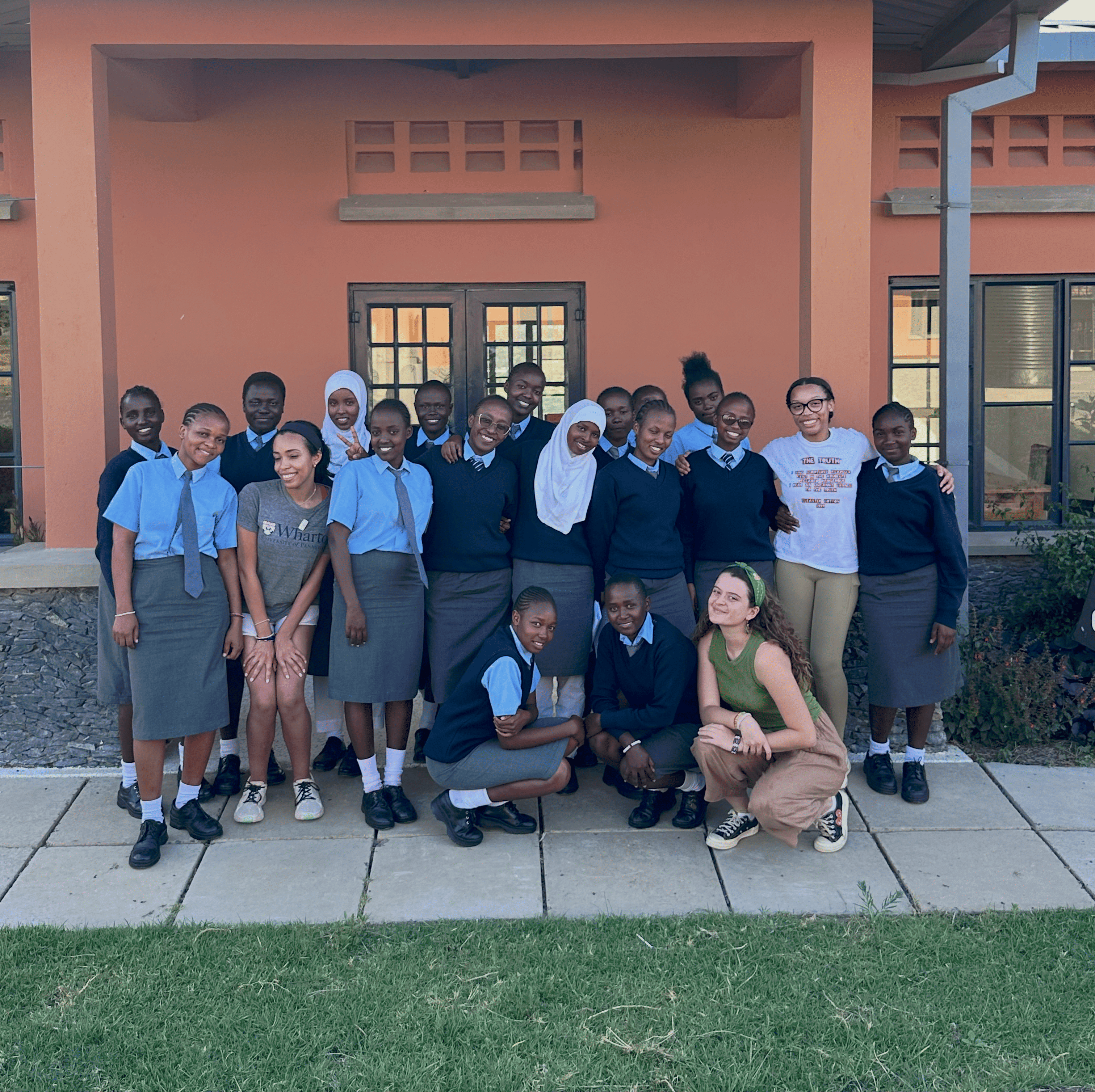
Mpala has shown me that scientists are built in the field, over countless hours of downloading data overnight, analyzing faecal samples, or waiting for the right opportunity to collar an animal. Most importantly, my (potentially controversial) view is that the value of a scientist is not measured by how many degrees or publications he or she has, but by the knowledge they have built through lived experience on the ground. What I have admired most about many research groups at Mpala is that they integrate the generational knowledge of their Kenyan team members and prioritise academic capacity building for the next generation of African scientists. Working very closely with Daraja Academy, a local boarding school offering scholarships to Kenyan girls, showed me the importance of conservation education early in a student’s journey. Seeing researchers teach workshops, lead field days, and mentor young scholars cemented my belief that Mpala is well underway to achieving its vision of being a dynamic global leader in teaching.
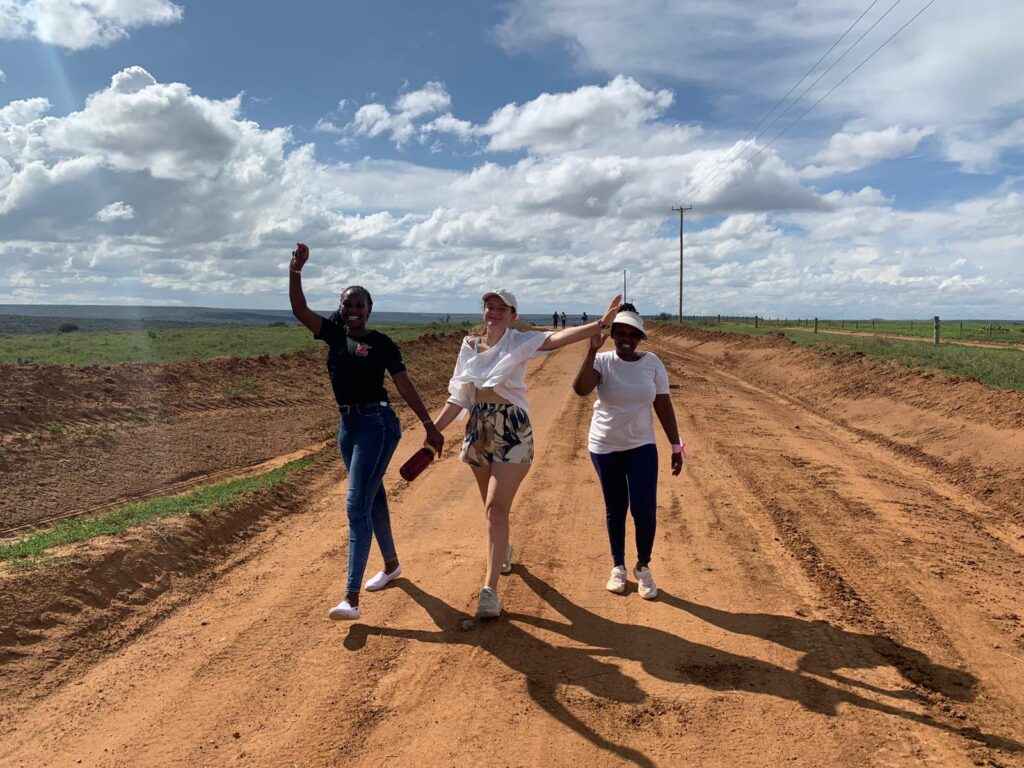
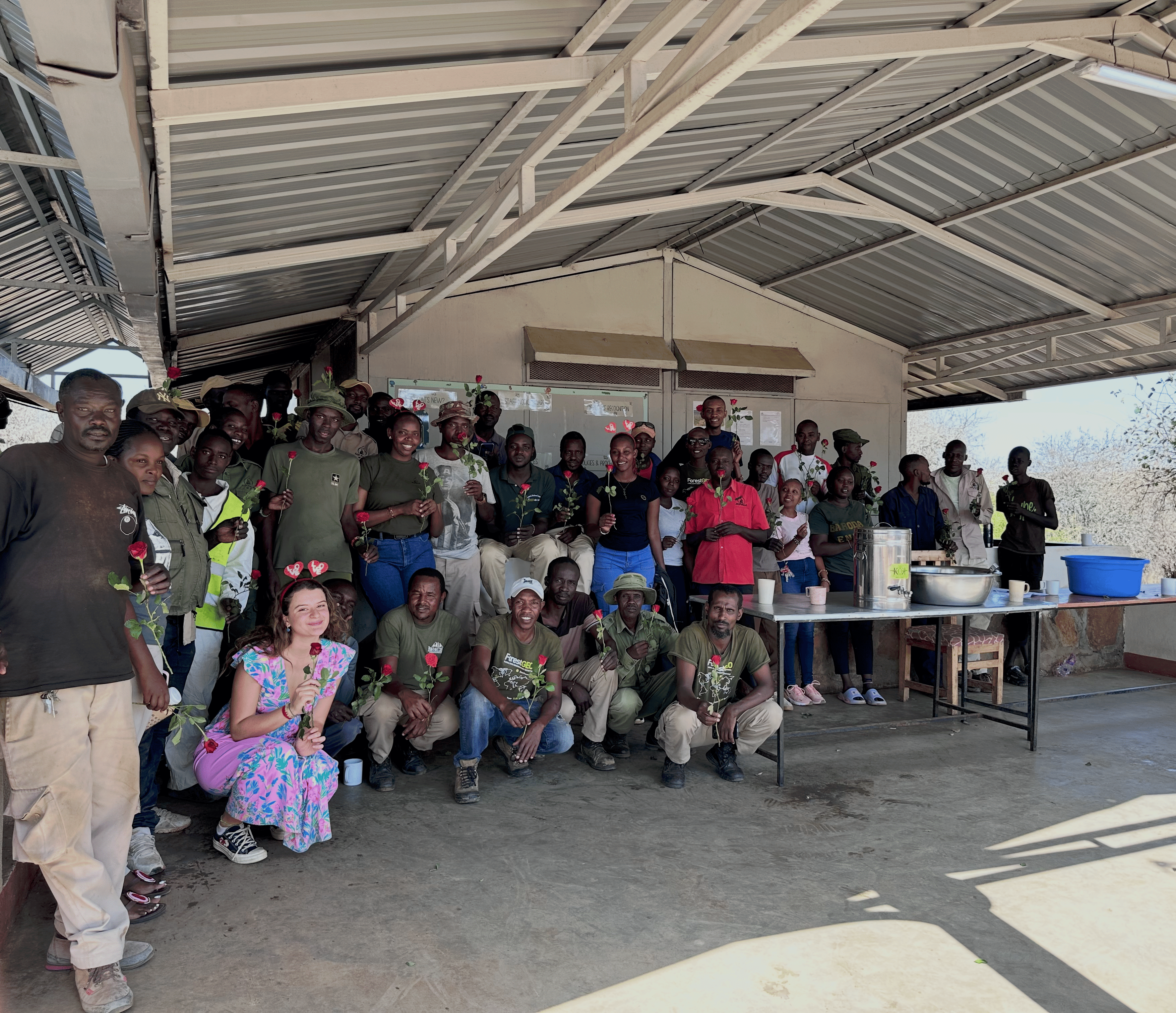
Without a doubt, what will stay with me the most about my time at Mpala is the people I connected with. I fail to think of any other situation in my life where I would find myself handing out over two hundred roses on Valentines Day, or walking (for those who know me, you know I need to be forced into doing sports!) over 8kms every week to Ol Jogi gate for team building fridays. The passion and care that everyone at Mpala puts in their work motivates you to work harder and invest your energy back into that same community. If there is one thing I hope to have left through my time here, it is the unwavering belief that collective effort can touch many people’s lives at once.
Perhaps the most calming thought to avoid crying my eyes out on the way back to Nairobi is that I know that, in one way or another, life will bring me back to Mpala. There are many examples to show for the long-lasting bonds created here: from Eunice Koech, who has been a chef at the centre for over twenty five years, and first warden Julius Nakolonyo Nawasa, who grew up on Mpala with his father and now leads the rangers in his turn, to self-proclaimed ‘Mpala hermit’ Matt Snider, who has done research here for over thirteen years. You come to understand how once you experience Mpala, you become tethered to its community for life. I leave with a heart full of gratitude for my found family.
By Agata (Aggie) Rigo Saitta, PiAF 2025-26