Field Guide
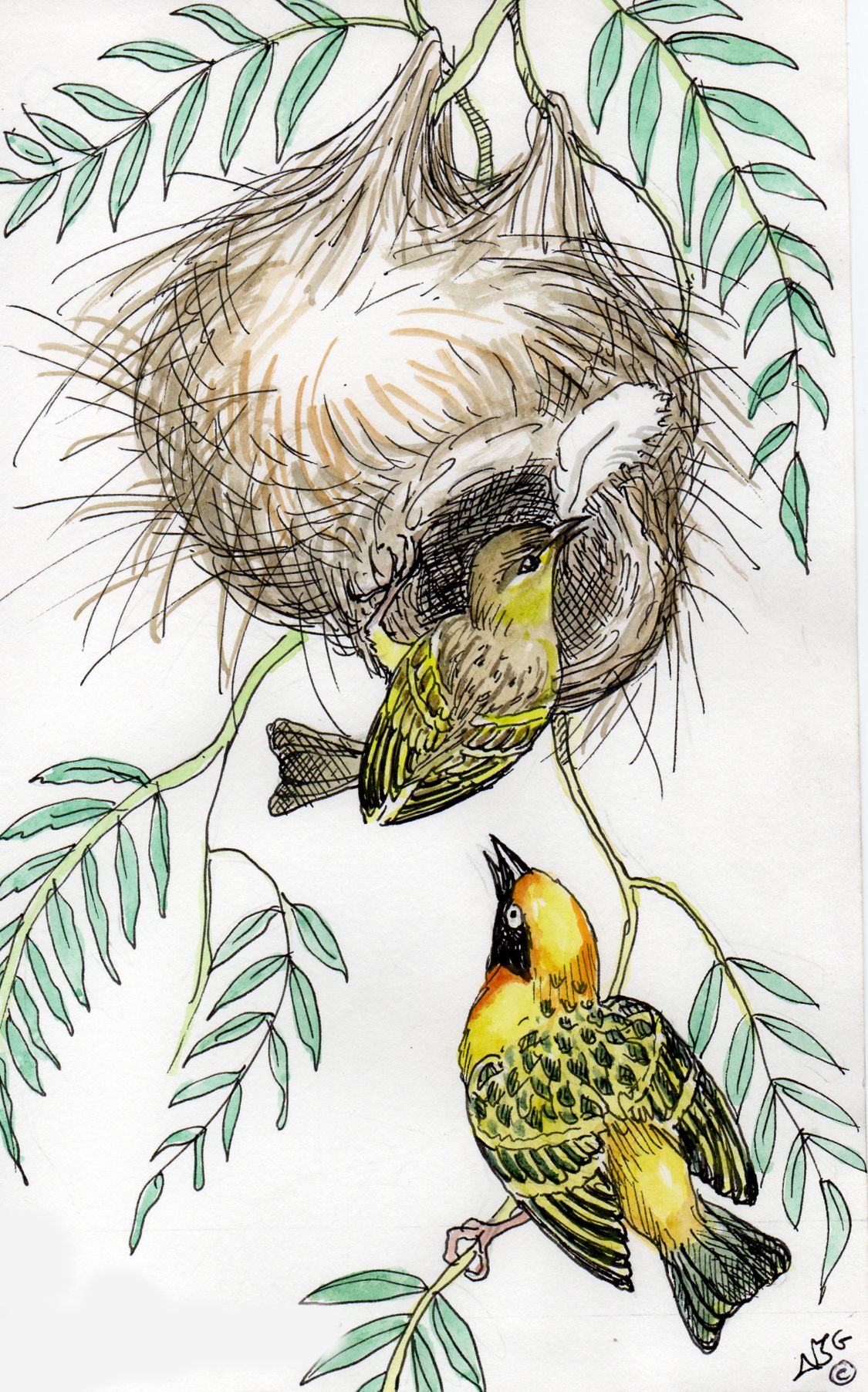
Ploceus spekei
Speke’s Weaver
Swahili: Kwera Kidari-kahawia


- Type
- Bird
- Daily Rhythm
- Diurnal
- Diet
- Omnivorous
- Conservation Status
- least concern
- Weight
- 28-43 g
- Size
- Length: 15 cm

Speke’s weavers are prodigious builders of nests, some of which become homes for red-cheeked cordon-bleaus, northern grey-headed sparrows, cut-throat finches, African silverbills, chestnut sparrows, and superb starlings.
Males can have more than one mate, and these weavers nest in colonies that can contain more than 200 nests in a single tree.
Known for their constant chattering in colonies, Speke’s weavers also call with a sharp “tseep” to make contact with each other.
Often found in small groups, these weavers leave their breeding colonies when they are not nesting. Males will often destroy unused or partly completed nests.
Least concern
Speke’s weavers feed on seeds and insects, particularly termites.
Males can have more than a dozen nests in one tree; they often start building, mainly in acacia trees, before females arrive. While only the females incubate the eggs, both parents will feed chicks.
Parasitic fly larvae cause a significant amount of chick mortality, while other predators include hawks, buzzards, kites, and goshawks.
It is common in Kenya.
Speke’s weavers are found in some parts of eastern Africa.