Field Guide
Egretta garzetta
Little Egret
Swahili: yangeyange


- Type
- Bird
- Daily Rhythm
- Diurnal
- Diet
- Omnivorous
- Conservation Status
- least concern
- Weight
- 280-700 g
- Size
- 55–65 cm Wingspan: 86-104 cm

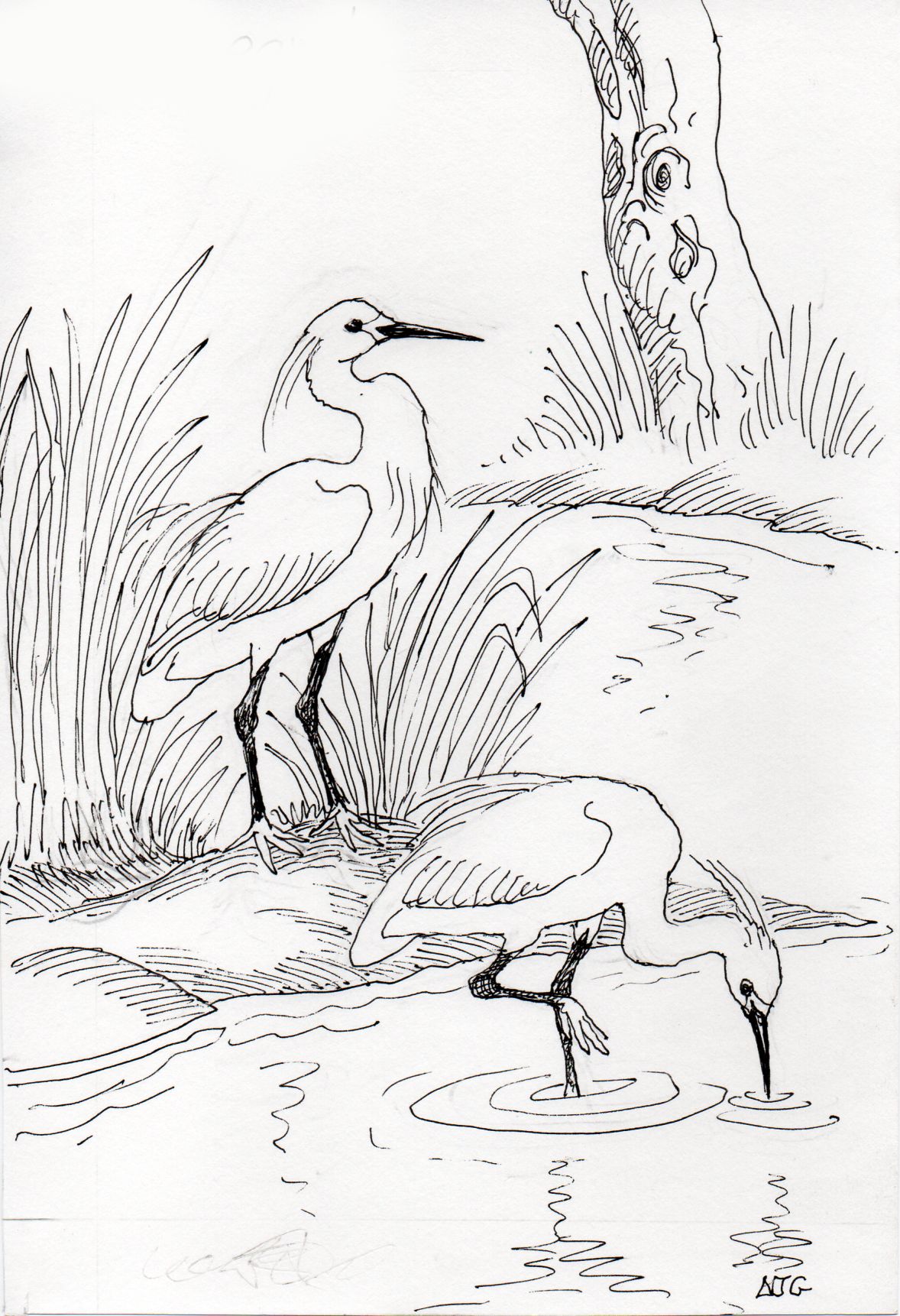
This long-legged and dainty bird sometimes stirs up mud while it is wading to see if it can locate any likely prey, which it then stabs with its pointed beak.
This bird is often observed by itself or in small gatherings, and can become defensive when feeding. It also likes to roost in trees with other herons.
Noticeably vocal and at times sounding like a crow, little egrets have distinctive calls when taking off and landing, in flight, and in feeding.
Little egrets wade through shallow waters or else stand motionless as they watch for potential prey; they will also fly in search of their next meal. They almost always hunt during the day when visibility is best. Opportunistic feeders, they will take advantage of any prey that is abundant.
Least concern
While little egrets mainly eat fish, they will also consume snakes, amphibians, crustaceans, insects, and other invertebrates.
Monogamous pairs often nest in large colonies with other little egrets, other herons, ibises, and cormorants, with nests sometimes only a few feet apart. Nests are built by males and are stick platforms in trees, shrubs, ledges, or reeds. Both parents tend to the eggs and chicks.
Chicks in nesting colonies are vulnerable to attacks from hawks, owls, and crows.
Little egret populations are robust around Lake Victoria.
Little egrets are widespread throughout the Old World, and have begun to expand their range into the Caribbean.