Field Guide
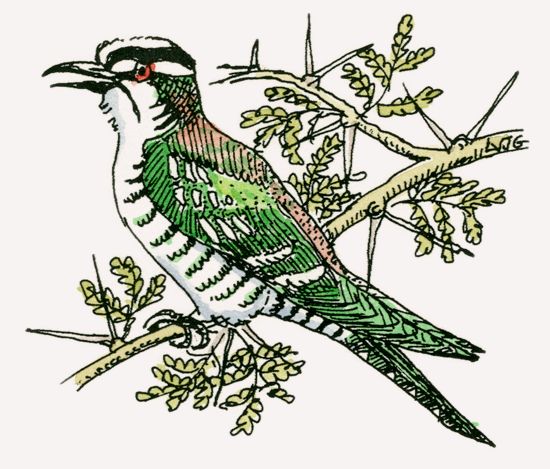
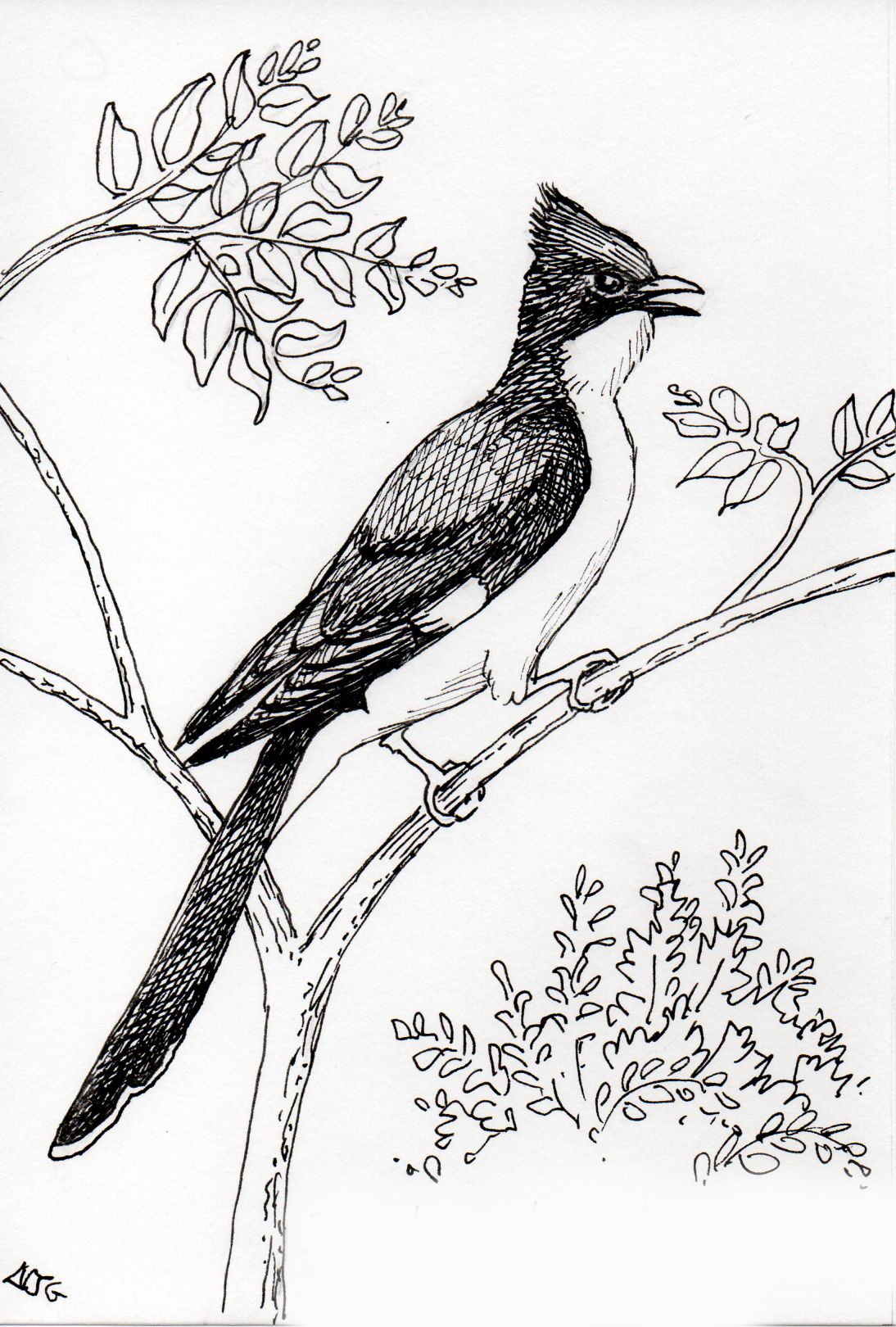
Clamator jacobinus
Black and White Cuckoo
Swahili: kekeo rangi-mbili


- Type
- Bird
- Daily Rhythm
- Diurnal
- Diet
- Omnivorous
- Conservation Status
- least concern
- Weight
- 70 g
- Size
- 35 cm

Some black and white cuckoos migrate to India; birdwatchers helped collect data verifying legends that the arrival of the cuckoos signaled the coming of the monsoon.
These cuckoos are mostly found alone or in pairs.
Black and white cuckoos are noisy and call with a loud “kleeuw, kleeuw, kleeuw.” They are often heard at night.
These birds mainly forage in trees and bushes for insects, but will also hop on the ground while searching for food. They chase each other during breeding season.
Least concern
Preferred food items are hairy caterpillars, but black and white cuckoos also eat termites and other insects, as well as the eggs of other birds.
Black and white cuckoo pairs use brood parasitism to reproduce; while the male distracts other nesting birds (often babblers or bulbuls), the female will lay an egg in the nests. Around 25 eggs will be produced by the female during breeding. Cuckoo hatchlings either eject the other eggs or out-compete nest mates for food, and fledge around 17-18 days after they hatch.
Because they rely on brood parasitism to reproduce, it is assumed black and white cuckoos affect the breeding success of other birds.
Black and white cuckoos are common in Kenya.
Subspecies of this bird are found in central sub-Saharan Africa, southern Africa, and in and around the Indian subcontinent in Asia.