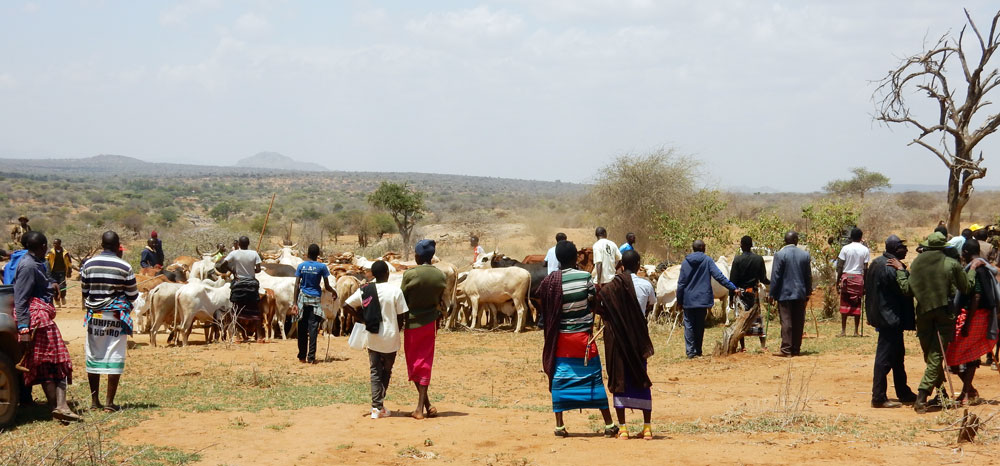
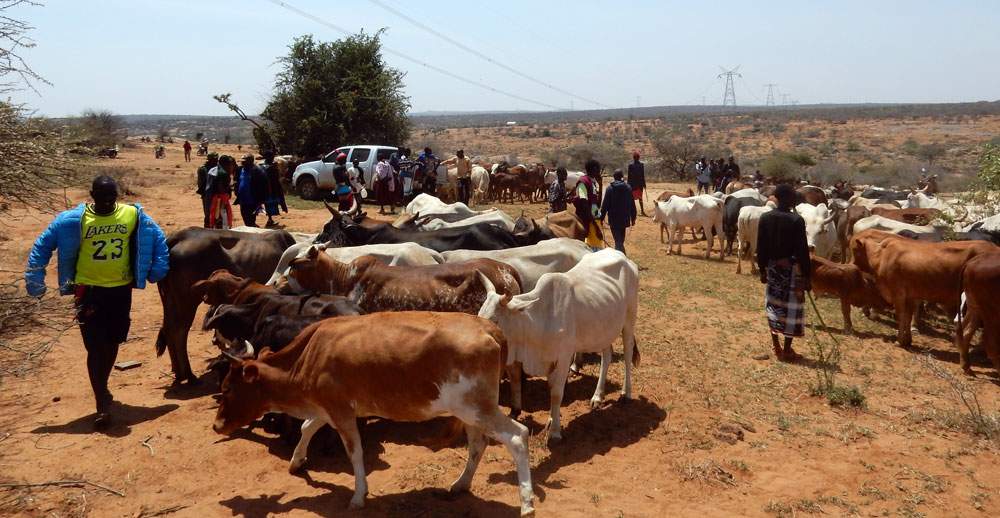
This August, Mpala Research Centre is hosting some unusual guests: about 1,500 cattle from neighbouring communities.
A prolonged dry period across the region has left many pastoral communities struggling with diminishing pasture. With the next rains expected around October, finding enough grazing to carry livestock through the remaining dry weeks has become increasingly difficult.
In response, Mpala has opened parts of its rangeland to community livestock through a carefully managed grazing arrangement.
The cattle join Mpala’s own research herd of about 600, bringing the number currently using the landscape to roughly 2,100. Managing that many animals requires careful planning to ensure the available pasture is used sustainably while taking into account wildlife, research and the health of the rangeland.
A committee comprising Mpala’s Community Department, representatives from the communities, local government officials, and leadership determines how many cattle enter, where they graze, and how they move across the landscape.
The arrangement also gives participating communities managed access to Mpala’s spray race, helping control ticks and protect livestock from tick-borne diseases.
For Mpala, the initiative is about more than providing pasture during a difficult dry season. The communities around Mpala are part of the same landscape, and periods like this put those relationships into practice.
As Laikipia waits for the rains, the 1,500 cattle grazing at Mpala are a reminder that conservation landscapes can also provide practical solutions for the people who live alongside them.