Field Guide
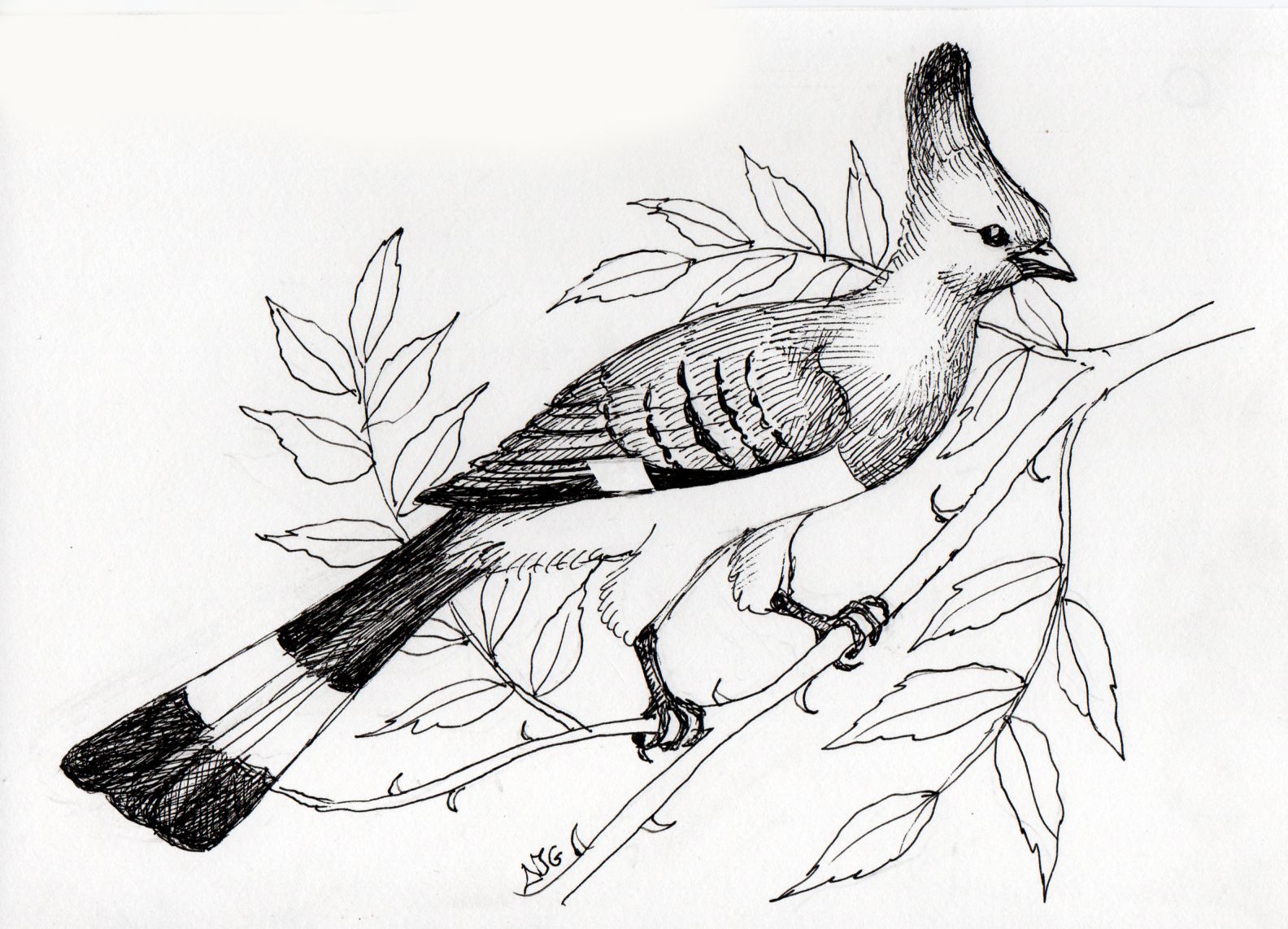
Corythaixoides leucogaster
White-bellied go-away-bird
Swahili: Gowee Tumbo-jeupe


- Type
- Bird
- Daily Rhythm
- Diurnal
- Diet
- Omnivorous
- Conservation Status
- least concern
- Weight
- 170 to 250 g
- Size
- Length: 50 cm

Adults look alike but you can tell the difference between males and females by the color of their beaks: Males have black beaks, while females have green beaks.
These birds gather in pairs or small family groups, or can be found alone.
Their loud and distinct “gorrwaaay” call gave rise to their name.
Territorial and restless, groups call loudly to each other as they fly from tree to tree. They are adept climbers among branches and vines.
Least concern
White-bellied go-away birds consume fruit, flowers, and acacia seeds and buds, as well as some invertebrates.
After a vigorous courtship, monogamous pairs build a frail nest in acacia-type trees. Both parents incubate the eggs and help feed chicks, which hatch after around a month and fledge 4-5 weeks afterwards.
Birds of prey, monkeys, and snakes can all threaten white-bellied go-away birds.
The white-bellied go-away bird is common in much of Kenya.
These birds are found in some parts of east and northeast Africa.