Field Guide
Lamprotornis chalybaeus
Greater Blue-Eared Starling
Swahili: Kuzi Macho-njano


- Type
- Bird
- Daily Rhythm
- Diurnal
- Diet
- Omnivorous
- Weight
- 80-110 g
- Size
- Length: 21-24 cm

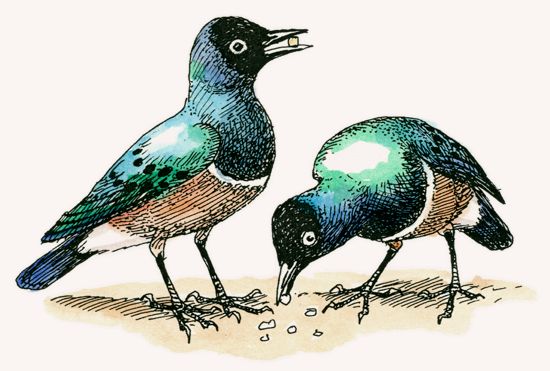
These brilliant blue birds with black masks compete fiercely with parrots and other starlings for preferred nesting sites in tree trunks.
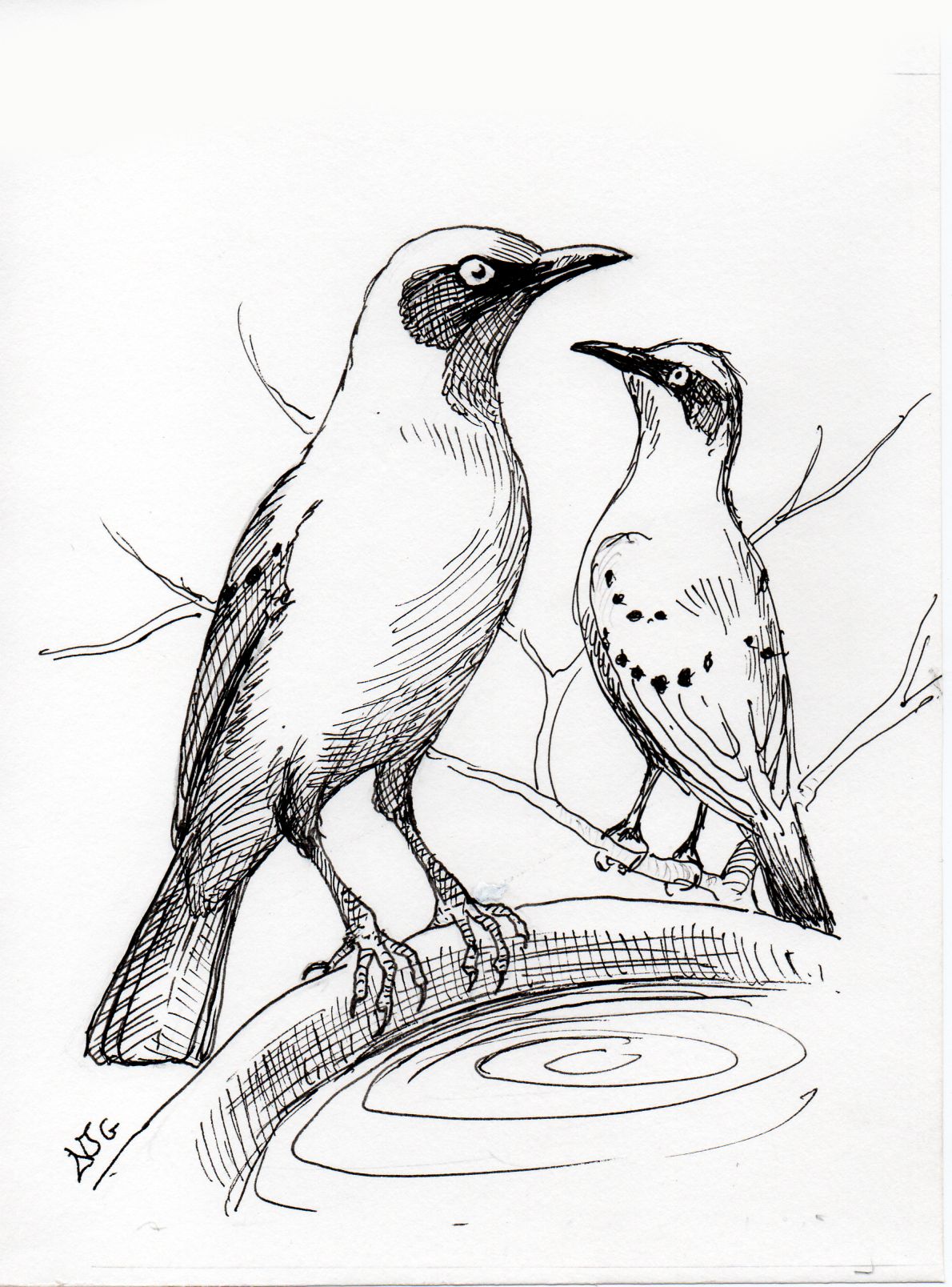
All starlings are known for their gregarious nature, and greater blue-eared starlings are no exception: more than 400 individuals form large roosts in reed beds, bushes, or thorn trees, and these gatherings often contain other starling species.
A range of songs and calls are often issued in a chorus from a tree where a group has gathered.
These starlings forage for food by hopping on the ground. They also perch on the back of sheep, African buffalo, blue wildebeest, and Burchell’s zebra to search for invertebrate prey.
Least concern
Greater blue-eared starlings primarily consume fruit and insects, as well as agave nectar and cereal grain.
Monogamous pairs nest in holes in tree trunks excavated by other birds or created by natural causes; they sometimes line nests with grass, feathers, and other materials. Females incubate eggs, which hatch in about fourteen days, and both parents feed chicks.
Peregrine falcons may prey on these starlings, while great spotted cuckoos and greater honeyguides parasitize nests.
Greater blue-eared starlings are found more often on the west side of Kenya but can also be seen along the coastal belt.
These birds are found in an east-west band across sub-Saharan Africa as well as scattered throughout parts of southern Africa.