Field Guide
Orycteropus afer
Aardvark
Swahili: Mhanga


- Type
- Mammal
- Daily Rhythm
- Nocturnal
- Diet
- Carnivorous
- Life Span
- In captivity: 30 years
- Conservation Status
- Lower risk
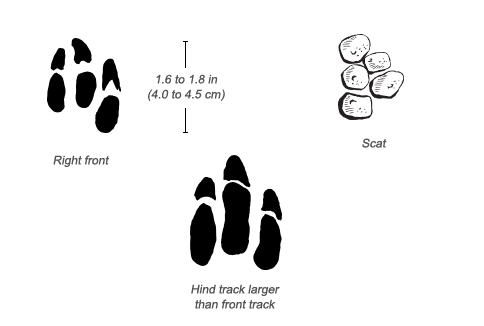

Built to burrow, aardvarks use strong forelimbs and sturdy nails to dig 10-foot (3-m)-deep tunnels with ease and create underground labyrinths often more than 30 feet (10 m) long. Surprisingly, aardvarks regularly abandon these burrows, often staying in a new hole for only a single night. Shy and nocturnal, aardvarks are difficult to study in the wild. Much of what we know about this mysterious mammal comes from research on captive individuals.
Extremely solitary, aardvarks generally come together only to mate. They have such little contact that interactions between adult male aardvarks have never been observed.
Aardvarks do not communicate vocally. In fact, they rarely communicate at all, except during mating. Males and females are able to detect when the opposite sex is nearby through both sound and smell. When a male and female meet, they energetically sniff and inspect each other. However, interaction ends unless one of the aardvarks shows further sexual interest.
Aardvarks are nocturnal, and spend their nights foraging for food. They spend the daylight hours sleeping in a large chamber at the end of their underground burrow. Though aardvarks do scent-mark their turf, the actual size of their territory is unclear.
While aardvarks do face some habitat reduction due to human population encroachment and activities, they are not considered heavily threatened.
Aardvarks are widely spread throughout Africa, inhabiting most regions south of the Sahara. Evidence from paintings and other art shows that aardvarks even lived in the Nile Delta during pre-Dynastic Egypt (prior to 3100 BCE).
Aardvarks prefer living on flat territory with few rocks, but can be found anywhere their primary food source, ants and termites, thrive, from savanna to forest to grassland.
Aardvarks are myrmecophagous, that is, they specialize in eating ants and termites. They have a highly developed sense of smell that enables them to find these insects underground, and they have long tongues that easily slip inside termite mounds and ant nests. An aardvark will spend all night foraging for the hundreds of thousands of ants or termites it needs to fill its stomach.
Aardvarks have a gestation period of about 35 weeks, and give birth to one or two young at a time. Little else is known about aardvark breeding behavior, particularly in the wild.
Aardvarks may not interact much with other animals, but a number of species rely on them for food and shelter. Aardwolves, for instance, are unable to open termite mounds on their own and wait for an aardvark to do the work for them. Various animals, from warthogs and pangolins to jackals and hyenas, uses abandoned aardvark burrows as homes.
Scientists don’t have an actual estimate of the aardvark population but believe it to be a healthy one.