Healthy wildlife populations are essential for biodiversity conservation, ecosystem resilience, tourism, and human livelihoods. Yet disease events in wildlife often occur in remote areas where they may go undetected until they have spread widely or affected endangered species, livestock, or people. The Wildlife Health Watch Program, led by Smithsonian’s Global Health Program, is working to change this by strengthening early detection and coordinated response to wildlife health events across Kenya.
The project combines ranger-based disease surveillance with EarthRanger’s real-time conservation platform to create a practical early warning system for wildlife health. Rangers, who spend more time in protected areas than any other conservation professionals, are trained to recognize and report signs of illness, injury, unusual mortality events, and other health concerns using standardized digital reporting tools. These reports are transmitted through EarthRanger, allowing veterinary teams and wildlife authorities to rapidly assess events, coordinate investigations, and prioritize response efforts.
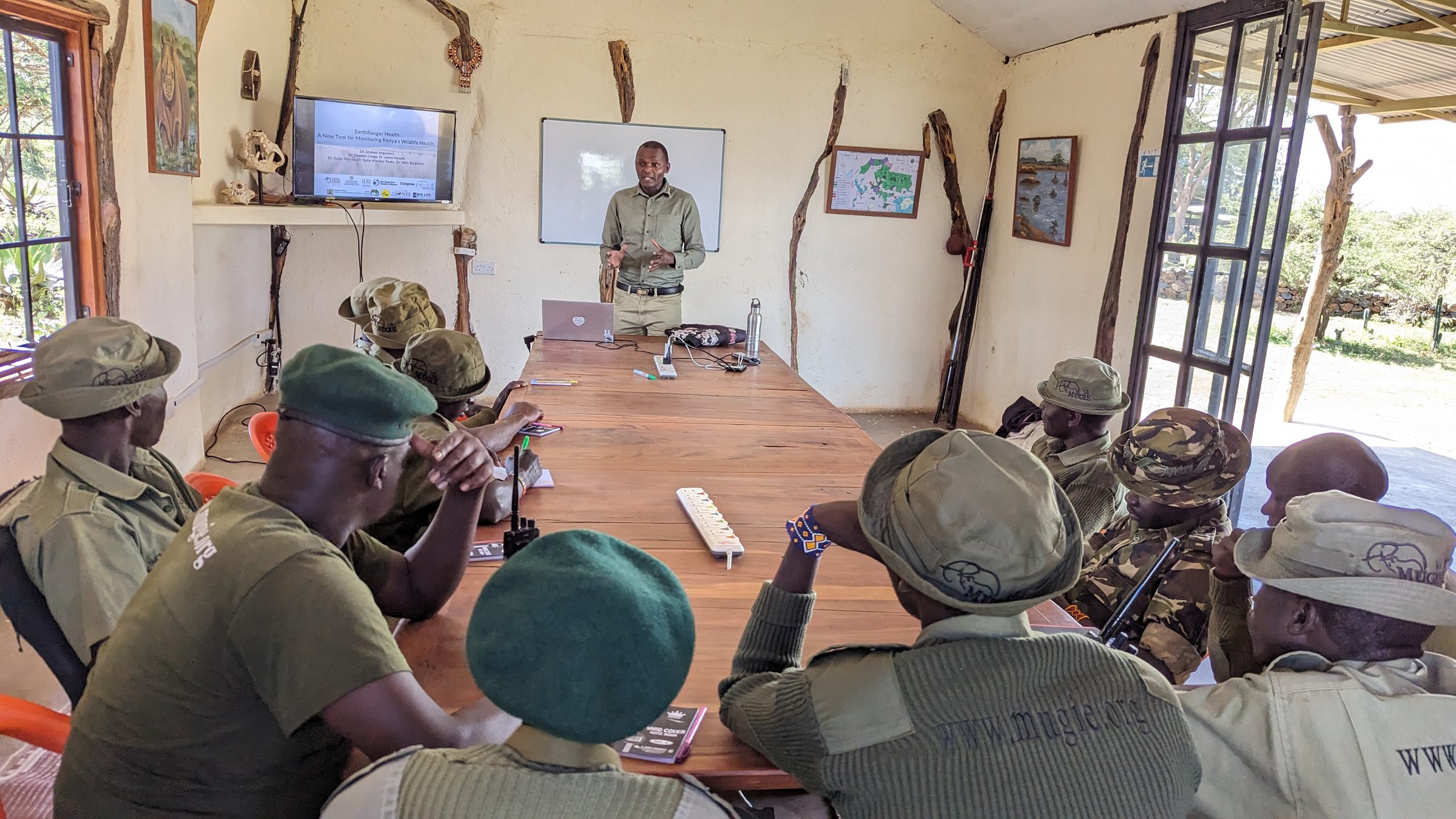
The project is built on a One Health approach, recognizing that the health of wildlife, people, livestock, and ecosystems is closely interconnected. By integrating wildlife health information with ecological, environmental, and operational data already available within EarthRanger, the system provides decision-makers with richer situational awareness and supports evidence-based management of disease risks across landscapes.
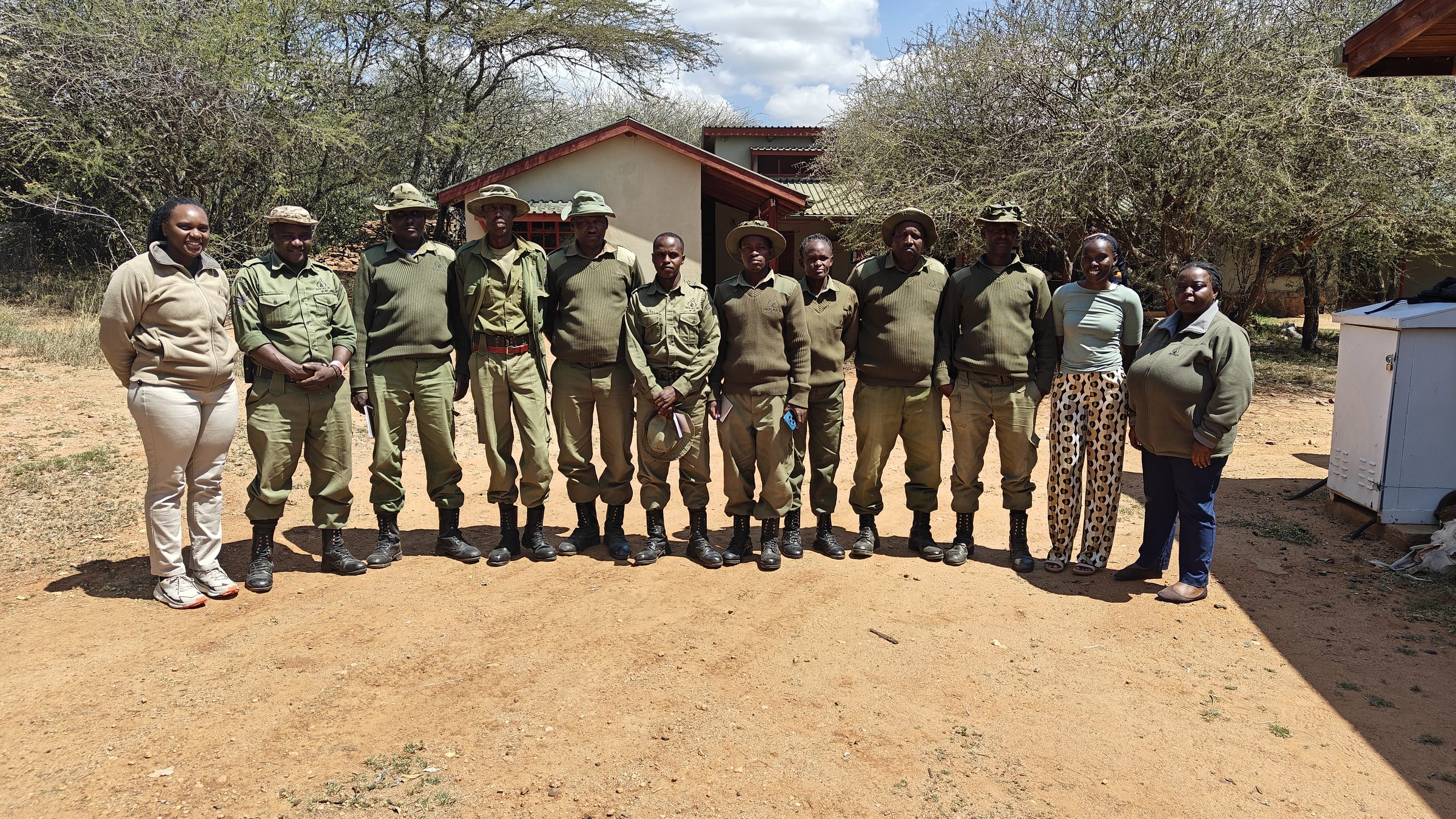
A major focus of the project is collaboration. The surveillance system has been developed alongside government agencies, conservancies, veterinarians, researchers, and conservation organizations to ensure that data collected in the field can support national wildlife health surveillance while remaining useful to the rangers and managers who generate it. Through regular stakeholder engagement and co-design, the project aims to establish standardized approaches that can be adopted across multiple conservation areas.
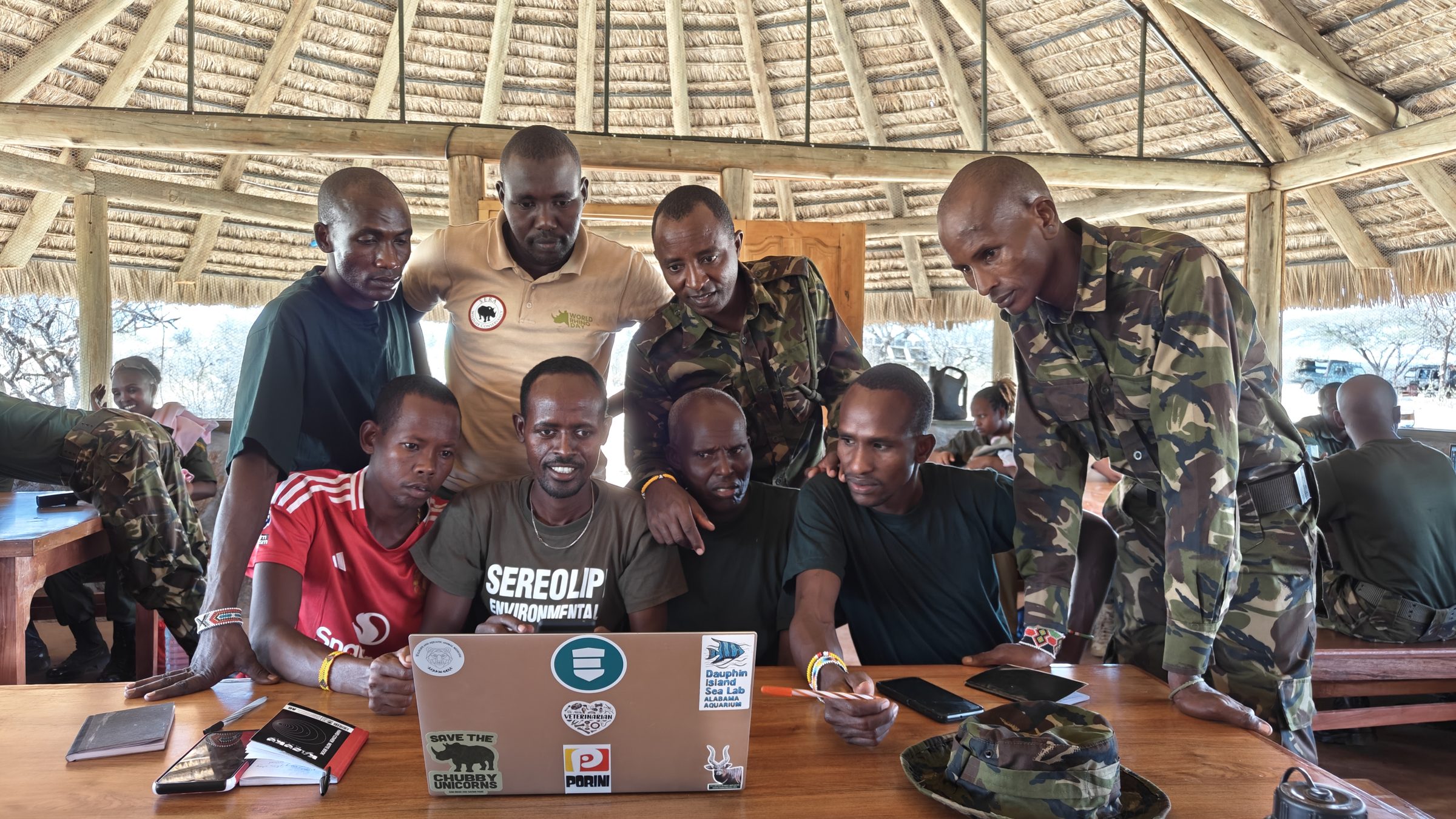
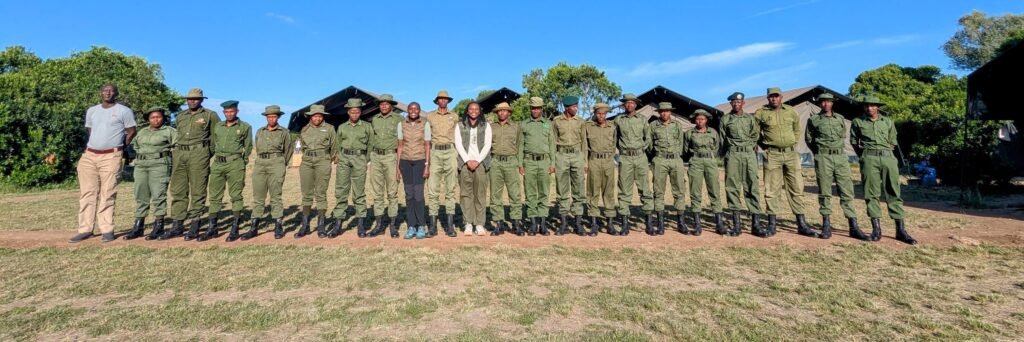
Capacity building is another cornerstone of the initiative. Rangers receive practical training in wildlife disease recognition, biosafety, reporting protocols, and sample collection awareness, increasing the number of trained observers able to detect potential disease events early. Veterinary teams and conservation managers are supported with tools that improve communication, information sharing, and response coordination.
The project also contributes to research by creating structured wildlife health datasets that can be linked with ecological variables, wildlife movement, climate, and land-use information. These integrated datasets offer new opportunities to better understand disease patterns, identify emerging risks, and inform proactive conservation strategies.
As the project continues to evolve, the long-term vision is to establish a scalable wildlife health surveillance framework that can be expanded across Kenya and adapted for protected areas elsewhere in Africa. By combining technology, local expertise, and cross-sector partnerships, WHW demonstrates how digital conservation tools can strengthen wildlife health monitoring and improve preparedness for emerging disease threats.
Partners
- Kenya Wildlife Service
- Wildlife Research and Training Institute
- Directorate of Veterinary Services
- San Diego Zoo Wildlife Alliance
- VetinWild
- International Livestock Research Institute (ILRI)
- Participating conservancies across Laikipia, Samburu, Maasai Mara and Big Life Foundation
Publications
Hassell, J.M., Angwenyi, S., VanAcker, M.C., Adan, A., Bargoiyet, N., Bundotich, G., Edebe, J., Fèvre, E.M., Gichecha, P., Kamau, J. and Lekenit, E., 2025. A framework for ecologically and socially informed risk reduction before and after outbreaks of wildlife-borne zoonoses. The Lancet Planetary Health, 9(1), pp.e41-e52.