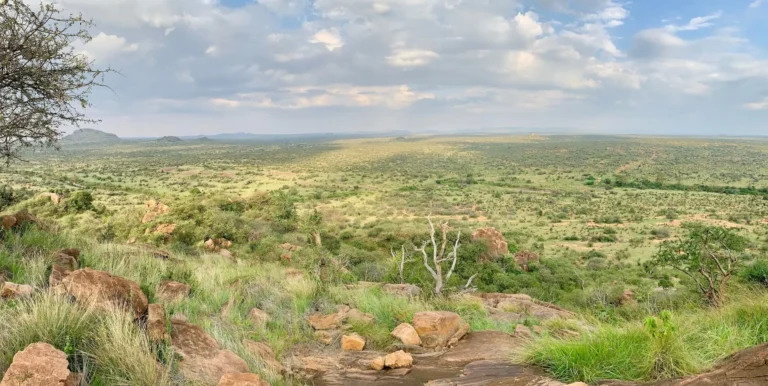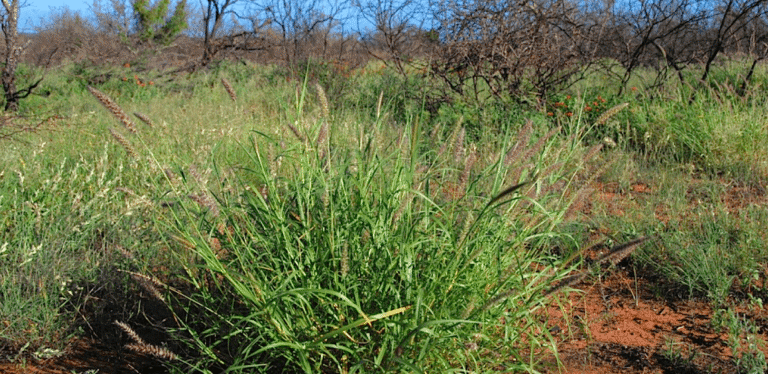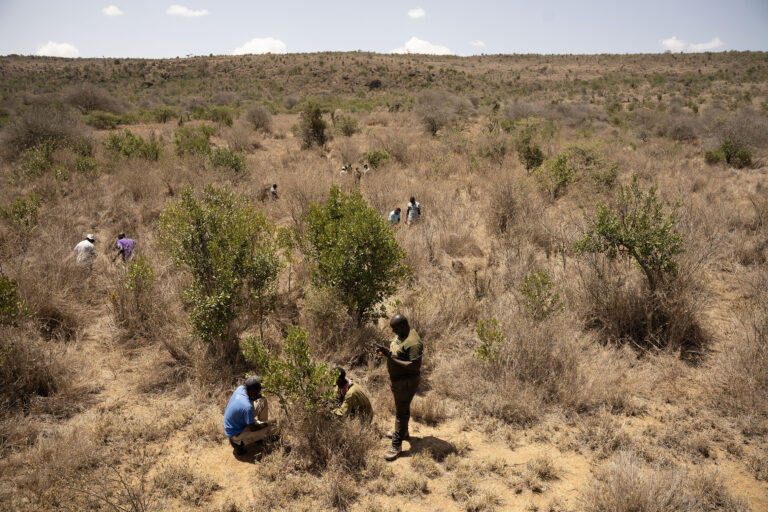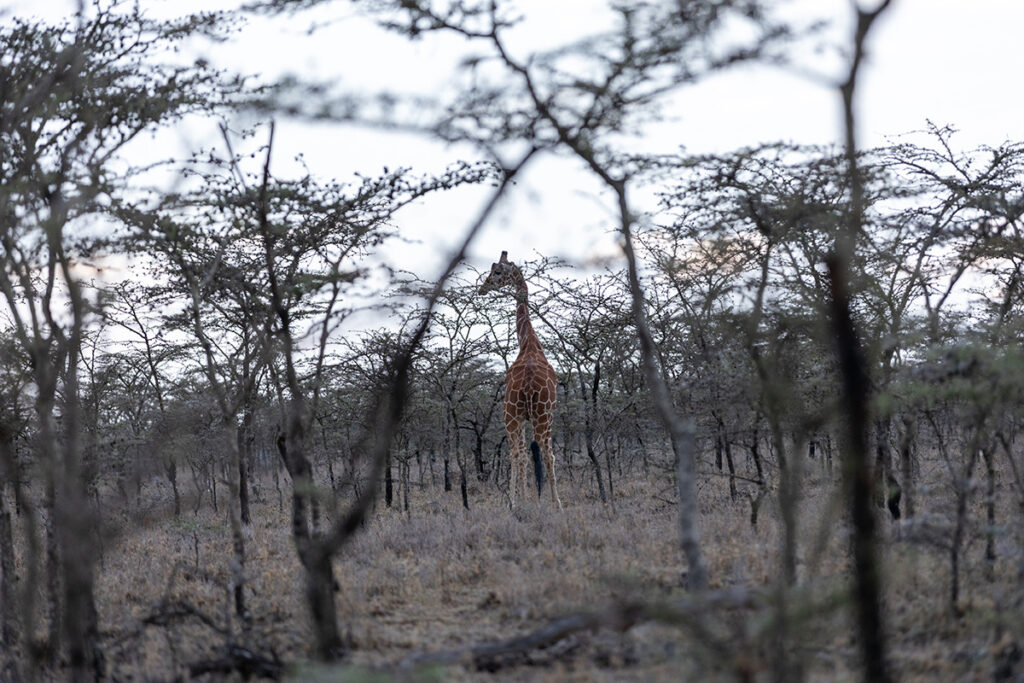
African savannas and their large mammals are iconic, but many fundamental questions about how the mammals shape the landscape, and vice versa, remain unanswered. These questions are timely because large-mammal populations are also declining worldwide, with major shifts in the balance of many ecosystems expected. Established in 2008, UHURU seeks to address these questions. UHURU, like its predecessor KLEE, uses large-scale plots and electric fences to simulate size-based mammal extinctions but is distributed across a rainfall gradient. It is the combination of these two distinct features that distinguishes UHURU from prior experiments. A decade on, the 36 plots are permanent installments on the Mpala landscape, enabling researchers to tease apart how the strength and direction of herbivores’ effects depend on climate; similarly, to assess the impacts of droughts and other environmental fluctuations, and will most likely remain for a decade more. Through the collaboration of multiple studies, we have learned, among other things, that herbivores of different sizes occupy different roles for controlling invasive shrubs and that climatic stress mediates the strength of herbivore impacts on plant populations. To date, 50 papers have been published in peer-reviewed journals.