
Science for a Resilient Laikipia
Laikipia faces complex challenges that affect its people, wildlife and ecosystem. The Mpala Solutions for Laikipia Initiative harnesses the power of science, research and collaboration to develop practical solutions for a more resilient future. We will focus on three key challenges facing Laikipia today: invasive species, food insecurity, human, animal, and ecosystem disease threats. Our goal is to test, demonstrate, and scale practical solutions that can make a measurable difference for communities, farmers, livestock, wildlife, and the environment.
Building on Mpala Research Centre’s unique research environment, the initiative connects scientific discovery with real-world challenges, bringing together researchers, Kenyan institutions and partners to generate knowledge that can inform action.
This research will focus on challenges faced by Mpala and our neighboring communities.
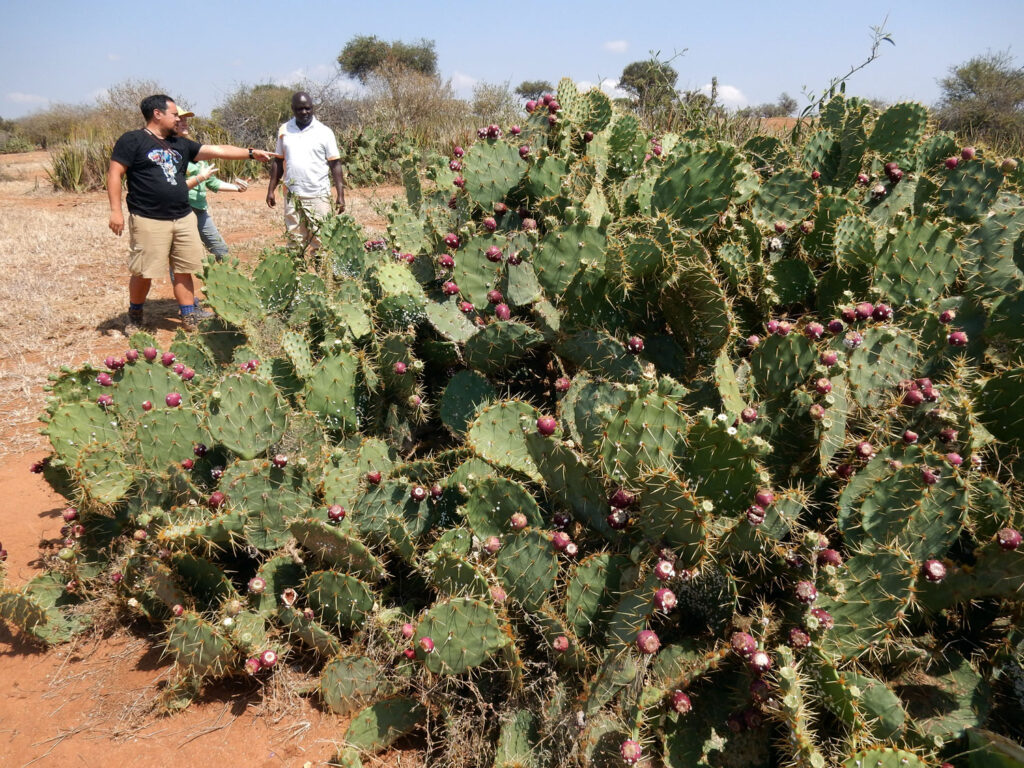
Opuntia cactus has spread across large areas of Laikipia, displacing native vegetation, reducing land available for livestock and wildlife, and threatening the livelihoods of pastoral communities.
Mpala has launched an initiative to tackle this growing biodiversity crisis, beginning with efforts to prevent further spread across its own landscape while testing and evaluating approaches to management. Research will also explore whether Opuntia can be put to productive use, including as an alternative source of livestock feed or a raw material for biogas.
Our ambition: Grow and sustain Mpala’s Opuntia removal initiative, develop evidence-based management approaches and work with communities and partners to identify solutions that can be applied at scale.
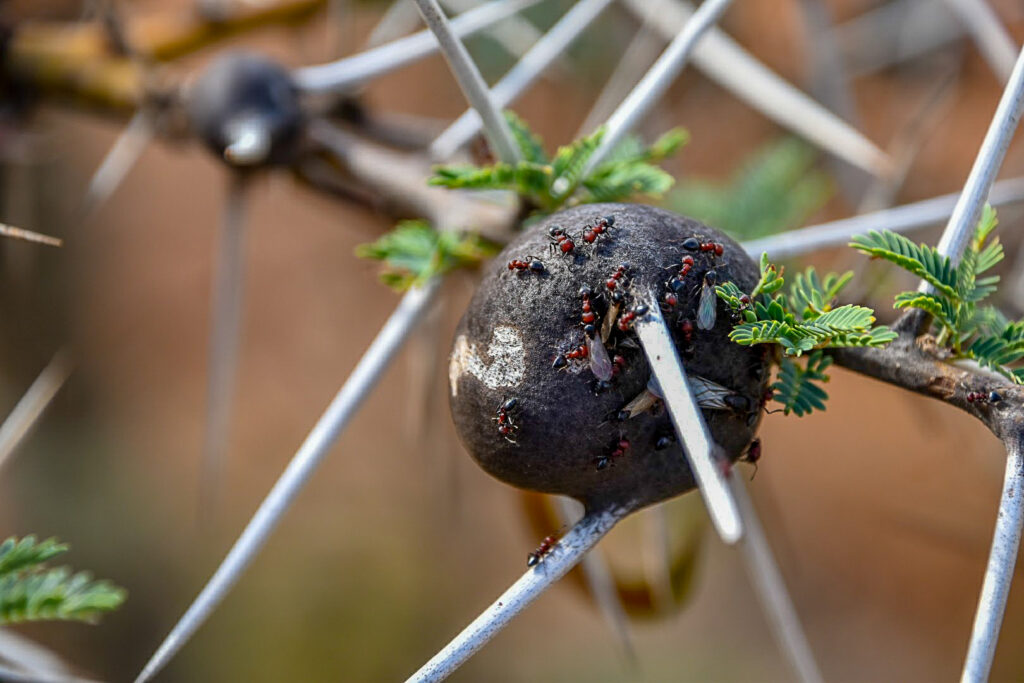
Research at Mpala has helped reveal how invasive big-headed ants disrupt the ecological relationships that sustain Laikipia’s black cotton savannas. By displacing native ants that protect whistling-thorn acacia trees, these invaders leave trees vulnerable to heavy browsing by elephants and other large herbivores, with consequences that can extend across the wider ecosystem. Building on this existing research and evidence, the next step is to test promising control strategies, evaluate their effectiveness and determine whether successful approaches can be applied across larger areas.
Our ambition: Translate research findings into practical management solutions that protect native biodiversity, restore ecological relationships and help safeguard Laikipia’s savanna ecosystems.
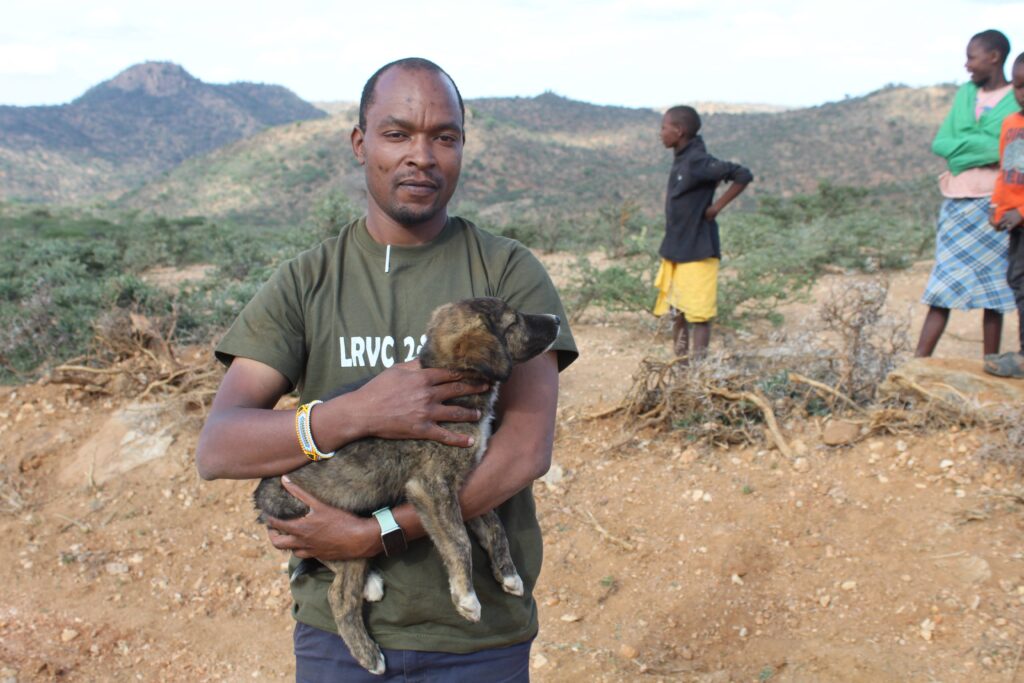
Rabies is a preventable disease that continues to threaten both people and animals. In Laikipia, addressing rabies requires a coordinated approach that recognises the connections between wildlife, domestic animals and human health.
Building on Mpala’s African wild dog research, the initiative will support work to advance rabies elimination, strengthen understanding of disease dynamics and inform collaborative approaches to disease prevention and control.
Our ambition: Support research and collaboration that contribute to rabies elimination in Laikipia, working with communities, government and relevant partners to develop approaches that protect people, domestic animals and wildlife.
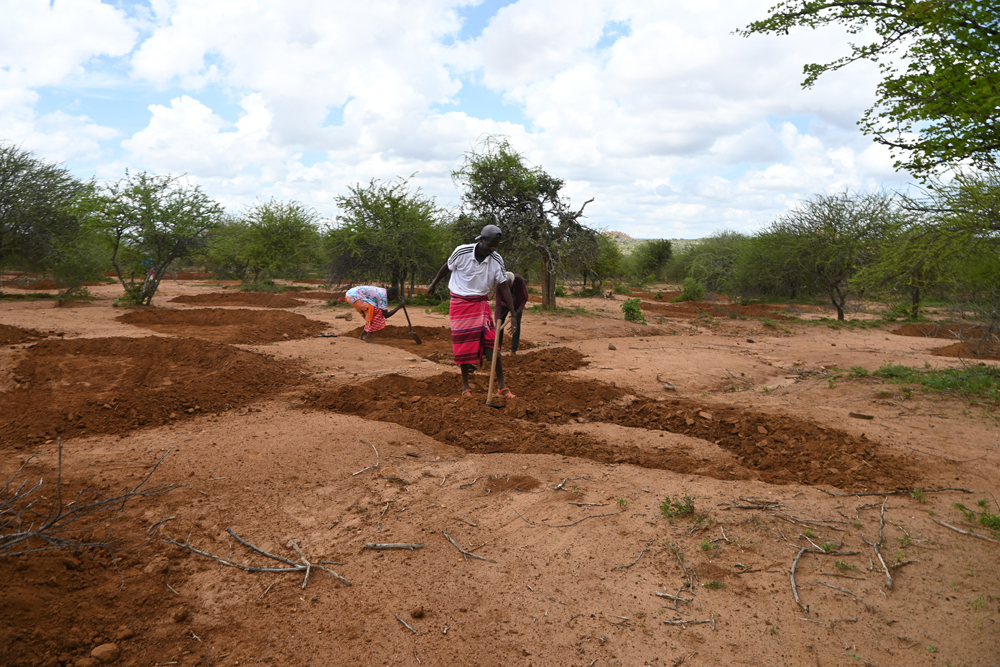
Healthy soils and productive landscapes are essential to food security and resilient livelihoods. The initiative will establish a new sustainable agriculture research programme, with a focus on regenerative agriculture and approaches suited to Laikipia’s environmental conditions.
Research will investigate practices that can improve soil health, support sustainable production and strengthen the resilience of agricultural and pastoral systems. Working with local communities and relevant partners will help connect scientific findings with practical needs and opportunities for adoption.
Our ambition: Generate evidence for sustainable agricultural practices that strengthen food security, support livelihoods and sustain the natural resources on which future production depends.
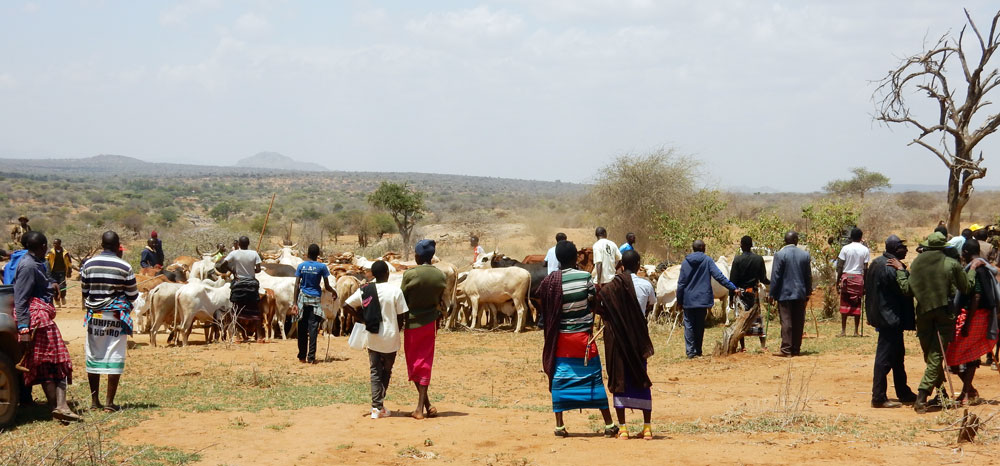
Turning scientific knowledge into practical outcomes requires sustained investment and collaboration. Funding for the Mpala Solutions for Laikipia Initiative will support three key areas:
Mpala provides a unique setting for field-based research and scientific collaboration. By bringing together Kenyan researchers, communities, government and institutional partners, the initiative aims to develop solutions grounded in evidence and responsive to local priorities.
The goal is not simply to understand Laikipia’s challenges, but to identify what works, demonstrate its potential and help scale effective approaches for the benefit of people and ecosystems.
Your support can help Mpala advance targeted research, retain dedicated scientific expertise and build the partnerships needed to turn promising ideas into lasting solutions.
Invest in science. Advance solutions. Build a resilient Laikipia.

Loading the sign-up form…